

























































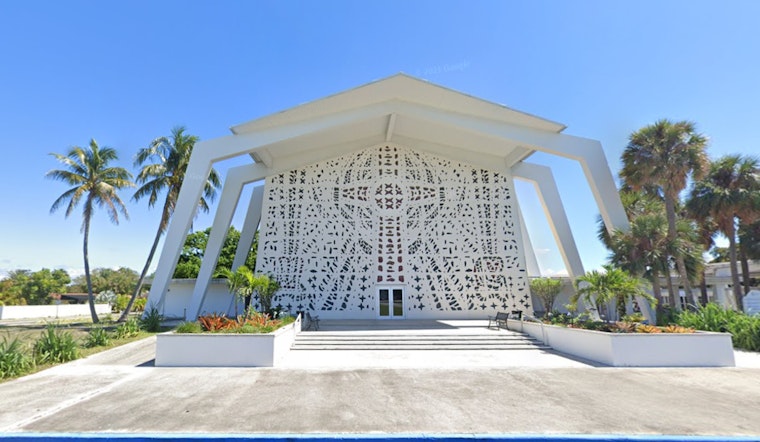
A Fort Lauderdale congregation is trying to turn its underused riverfront land into a 12-story apartment building wrapped around its sanctuary, a move that would add hundreds of units and reserve a chunk of them for lower-cost housing. The proposal has quickly become a neighborhood flashpoint and a test case for how far churches should go in helping fix South Florida's housing crunch without remaking the streets around them.
Plans at Sanctuary Presbyterian
Sanctuary Presbyterian Church has filed an application with the city for a 12-story, 340-unit residential building that would surround its existing worship hall and set aside as many as one-third of the units for affordable housing, according to CBS Miami. Most of the current church campus would be converted to housing, while the sanctuary stays put at the center of the project.
The church's pitch
Church leaders say the development is meant to breathe new life into the campus, expand space for nonprofits and schools that already operate there, and create a revenue stream to support ministry and community programs. The congregation and campus are listed at 1400 N Federal Highway in Fort Lauderdale in the Presbytery directory, and Vibrant Presbytery identifies Rev. Dwayne Black Jr. as the church's pastor.
Why churches are on developers' radar
With much of South Florida already built out, developers are scouting for sites that can handle more density without the price tag and delays that come with building on untouched land. Turning to faith properties has become part of a broader "Yes in God's Backyard" conversation about converting or building next to houses of worship to squeeze out more affordable units. The Real Deal has followed similar proposals and the policy fights trailing behind them in Miami and elsewhere.
Neighbors push back
People living nearby argue that dropping a 12-story building into one of Fort Lauderdale's older neighborhoods would feel wildly out of scale, and they have asked whether the project could be shrunk to match surrounding structures. One neighbor told CBS Miami he was informed that anything shorter than 12 floors would not be financially workable. The same reporting notes the church property covers roughly eight acres and that the congregation is far smaller than it was in the 1960s. Pastor Dwayne Black has said he hopes the new building could open in 2029 if the plan wins the necessary approvals.
Legal and planning hurdles
The project still has to clear city permitting and any required zoning reviews, with opportunities for community input and staff scrutiny before any shovels hit the ground. State-level reforms and programs intended to speed affordable development, including changes connected to the Live Local effort, have created some new paths for projects that include deeply affordable units. State statutes and recent legislative changes outline tax breaks and program incentives that can shape these deals, as detailed by the Florida Senate.
What comes next
City planners will take public comment while they review the application, and any eventual financing package could draw in funders and nonprofit partners to structure the affordable housing component. Across the region, faith-based and community organizations have been working to provide technical help and grant money so congregations can pursue housing on their land in a way that is sustainable and responsible. Background on that wider movement in Florida has been reported by Religion News Service and in local coverage from WLRN.
Whether Sanctuary Presbyterian's proposal becomes a model for other congregations will hinge on how the city weighs neighborhood scale, how many of the units end up genuinely affordable, and whether the financing ultimately works. The application is an early test of whether church-owned land can be a meaningful and politically acceptable part of South Florida's response to its housing shortage, a debate that The Real Deal has chronicled across the region.





