

























































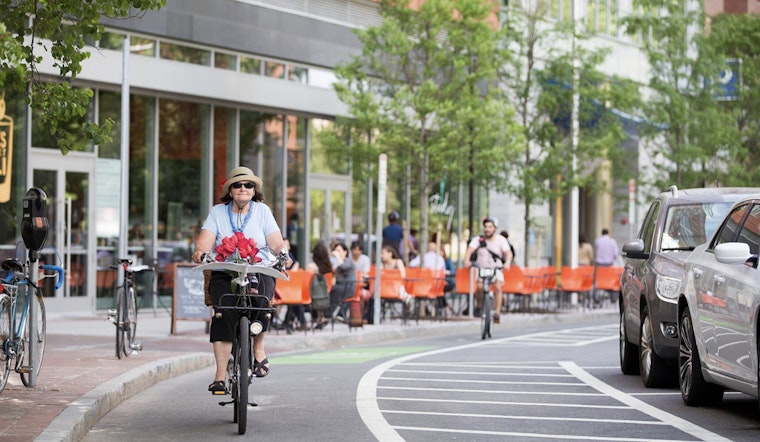
Manhattan’s 14th Street busway is on track for a serious makeover, with the city moving to swap its temporary curb extensions for permanent public space. The plan calls for protected bike lanes, larger plazas and upgraded bus boarding islands along the corridor. The redesign follows a two-year study meant to lock in the busway’s transit gains and turn them into long-term improvements for bus riders, cyclists and pedestrians. According to city officials, the goal is a safer, more usable 14th Street from river to river.
Transportation officials will start gathering community feedback through public workshops this month, with the first session set for March 25 from 4 p.m. to 7 p.m. at Pratt Institute, 144 West 14th Street. That kickoff meeting is expected to present draft concepts and walk neighbors through the tradeoffs between sidewalk space, bike lanes and curbside loading as plans are refined, as reported by Gothamist.
What officials say would be built
City agencies and local business improvement districts are pitching a package that includes protected bike lanes, bus stops with safer boarding platforms and expanded plazas, along with more permanent fixtures like fixed bollards and containerized trash so the new public space works year-round. The 24-month design study and public-private partnership aim to bundle those upgrades into capital projects, according to the Mayor’s Office and local partners.
How the busway has performed
The 14th Street busway, piloted in 2019 and made permanent in 2020, already restricts most through traffic between 6 a.m. and 10 p.m. to buses, trucks and emergency vehicles. The city says that setup freed up curb space for transit and people on foot. A monitoring report from NYC DOT found that the pilot increased bus speeds by up to 24 percent and now serves about 28,000 M14 riders each day, benchmarks the agency hopes to improve with the redesign, according to NYC DOT.
Money and schedule
The two-year study is backed by roughly 3 million dollars, with about 2 million dollars from the city and 1 million dollars combined from the Union Square Partnership and the Meatpacking District BID. The city says it plans to start hiring consultants in 2026. Local elected officials and the borough president have pledged about 9.5 million dollars in capital funding to help build projects that emerge from the study, according to the mayor’s announcement and later coverage. Officials say the public engagement process will shape the final concepts before any capital work moves forward.
Next steps for neighbors
DOT plans to fold feedback from the March workshops into draft designs, then bring those back to community boards before seeking formal approvals for capital projects, according to city materials. For now, that first in-person session on March 25 is positioned as a key chance for residents and business owners to weigh in on the balance between bus priority, bike space and sidewalk room, as reported by Gothamist and reflected in city briefings.




