

























































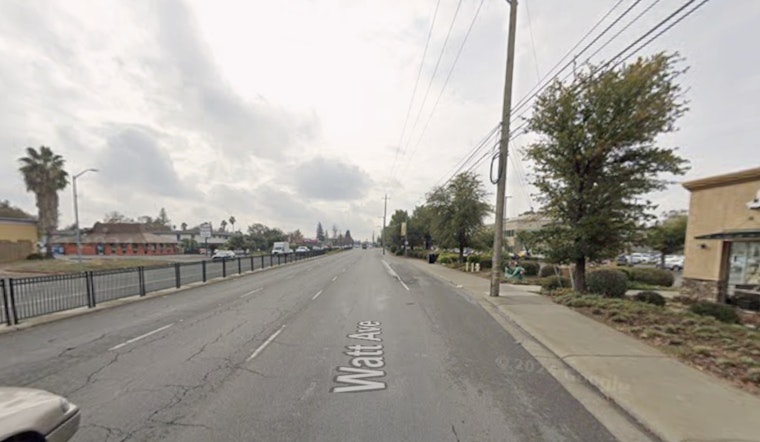
A West Sacramento developer wants to drop 370 new affordable apartments along Watt Avenue in North Highlands, Sacramento County, and the plan just took its first official step. The proposal would add a sizable block of subsidized units to a corridor that has already seen major street and transit upgrades, and it is prompting fresh questions about how, and how fast, the area can absorb a wave of new affordable housing.
According to The Business Journals, West Sacramento-based Onyx Investment Group has submitted a development application for the 370-unit project on Watt Avenue in unincorporated North Highlands. The outlet reports the proposal is being pitched as affordable housing and would rank among the larger subsidized projects floated in the Sacramento area in recent years.
Developer Keeps Pushing Into Sacramento Rentals
Onyx is not exactly a newcomer to the region. Earlier local reporting has documented the firm building out an office-to-residential pipeline and taking on multiple conversion and housing plays from its West Sacramento base, framing this North Highlands plan as one more piece of a broader push into the rental market. That earlier coverage highlighted Onyx’s growing office-to-residential pipeline.
Watt Avenue Site Ties Into New Transit Upgrades
The Watt/I-80 transit hub and the adjacent stretch of Watt Avenue have been the focus of safety and access upgrades for riders and drivers, giving this proposal a more transit-oriented backdrop than older projects along the same corridor. According to SacRT, improvements at Watt/I-80 include bridge widening, a new bus and pedestrian plaza, and upgraded stair connections, all intended to boost access around the site. For an affordable complex relying heavily on connectivity, those changes are not just cosmetic.
County Process Will Decide How Fast Shovels Hit Dirt
Because the property sits in unincorporated Sacramento County, the plan now has to run the county’s planning and design-review gauntlet. That can mean discretionary entitlements or environmental review, depending on the fine print of the application. Sacramento County land-use guidance lays out pre-application meetings, design review requirements, and potential CEQA work that typically dictate how long a large multifamily proposal spends in bureaucratic limbo before approvals.
Next up, county staff will decide whether the submission is complete, set any required public hearings, and determine the level of environmental review. If everything lines up, construction could move relatively quickly. If not, the developer could be in for months of additional studies and community scrutiny before a single footing is poured. As reported by The Business Journals, the application has now formally entered that review pipeline.
For the region, the stakes are clear. County and regional data point to a persistent shortage of affordable rentals, with tens of thousands of low-income households in greater Sacramento identified as needing lower-cost units. Those gaps are the backdrop developers and housing advocates invoke when arguing for larger subsidized projects and for policy carrots from local governments, a need underscored in the NLIHC gap report.





