

























































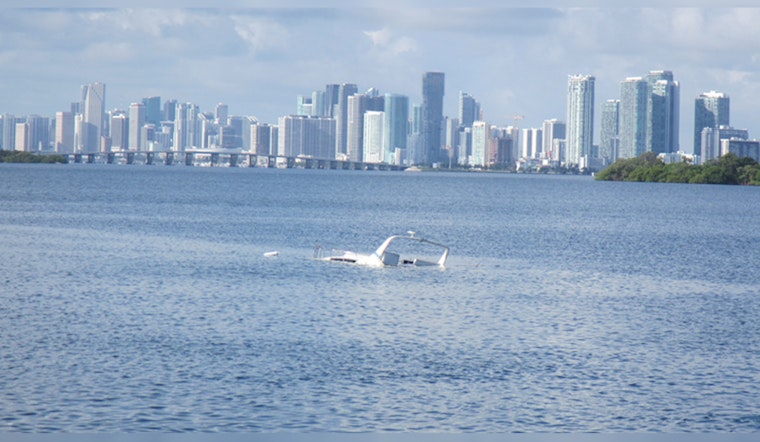
Miami is trying to turn the tide on a mess that never seems to end: abandoned and derelict boats clogging Biscayne Bay. Officers who patrol the water say the backlog of broken hulls feels endless, and many of those boats are leaking fuel or crumbling into fragile seagrass. They create hazards for anyone trying to navigate the bay, and when owners walk away, taxpayers end up paying for the cleanup. City leaders say a new crackdown that pairs tougher local rules with state and federal money is meant to finally break that cycle.
What the new city ordinance does
Commissioner Damian Pardo introduced an ordinance that hands the Miami Police Department Marine Patrol broader authority over anchorages and derelict vessels. The measure stretches the city’s enforcement zone from 100 feet to 300 feet around public mooring fields and allows officers to hit violations with a $500 daily fine. City crews removed 74 vessels from Miami waters in 2025 at an estimated cost of about $1 million, according to Local 10, and officials say they are tired of watching that tab grow.
Why the Bay is clogged
Officials and reporters point to a mix of cheap or “giveaway” boats and a growing liveaboard community that has packed popular anchorages and scarred nearby seagrass beds. The city ordinance tracks state rules that cap continuous anchoring at 30 nights within any six-month window and forbid anchoring within 300 feet of certain mooring fields, according to WLRN. Miami-Dade’s environmental division notes that removal and disposal of derelict boats is usually paid for with grants, and the county has taken hundreds of these vessels out of the water over the last two decades, per Miami-Dade County.
State law gives teeth
Recent changes in state law have given local governments stronger tools to deal with derelict vessels, including faster notification procedures and tougher civil penalties. An analysis of the bill notes that at-risk violations now come with escalating fines, and owners who refuse to pay removal costs or penalties can be denied registration for any vessel, a pressure point officials hope will force more compliance. The law also boosts grant funding and shortens the period authorities must wait before hauling away a declared derelict, according to the Florida Legislature.
Money and messy removals
Getting a sunken or stranded boat out of the water is no simple errand. It often involves divers, heavy straps, barges and careful maneuvering, and a single removal can cost tens of thousands of dollars, which makes the work slow and expensive for crews, as reported by WLRN. To blunt that impact, commissioners have approved applications for reimbursement from the Florida Inland Navigation District and other programs, including a proposed $200,000 FIND grant, according to the city commission agenda. The Florida Fish and Wildlife Conservation Commission also offers derelict-vessel grants that can reimburse local governments for removals when certain criteria are met, per FWC.
What to expect next
Marine Patrol officers plan to concentrate first on known hot spots like Dinner Key, where they will track how long each boat remains anchored and write citations when owners blow past the new limits. City officials hope the combination of daily fines and the threat of losing vessel registration will convince more boaters to move along or pay up, while grant money slowly chips away at the backlog of wrecks. Early results across the bay suggest the approach can work: Miami Beach tightened its overnight anchoring rules last year and has already seen high-traffic anchorages clear out, according to CBS Miami.





