

























































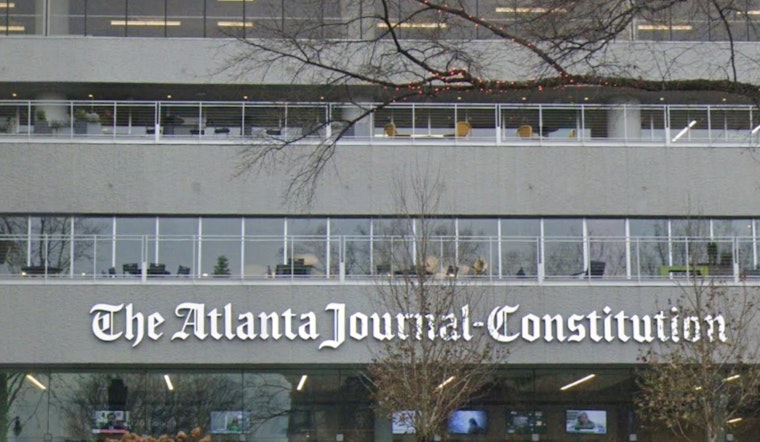
For decades, the Atlanta Journal-Constitution on the doorstep was as much a part of the morning as coffee for neighborhoods across metro Atlanta. That ritual effectively ended last year when the newspaper announced it would stop printing and become an all-digital operation. The shift is not just symbolic; it rearranges who actually shows up to cover local government meetings, school boards, and courtrooms.
Pulitzer Prize-winning columnist Cynthia Tucker, a former editorial page editor at the AJC, unpacked what that means for democracy on WUNC's "Due South" on March 9, 2026. Tucker, who won the 2007 Pulitzer Prize for Commentary, warned that when a printed daily disappears, it often means fewer reporters in the rooms where power operates, which leaves real gaps in oversight. She speaks from decades in newsrooms and from her current perch as journalist-in-residence at the University of South Alabama.
Back in August 2025, the AJC's publisher announced the paper would stop producing a print edition at the end of the year and would refocus on online, audio, and video products instead. The Associated Press reported that the move would leave Atlanta as the largest U.S. metro area without a daily printed newspaper.
News Deserts And The Southern Gap
Atlanta's loss is part of a broader collapse in local news that has hollowed out reporting across the country, and studies show the South has been hit especially hard. The Medill Local News Initiative's State of Local News report found that more than a fifth of Americans, roughly 70 million people, live in counties that are news deserts or at high risk of becoming one, which means many local governments operate with little journalistic scrutiny. The Medill Local News Initiative details the scale and fallout of that trend.
A National Moment Of Contraction
The squeeze is not just at the local level. This winter, the Associated Press reported that The Washington Post cut roughly a third of its staff in early February 2026, a reduction media analysts warned could thin out national coverage that often elevates regional investigations into the spotlight. Put together, local print losses and national pullbacks mean fewer journalists on complicated, long-term beats.
What Comes Next For Atlanta
Across Atlanta and the South, journalists, philanthropists, and civic leaders are testing alternatives: nonprofit newsrooms, university-based reporting projects and targeted philanthropy meant to keep watch on courts, school boards, and city government. Tucker told WUNC that making those efforts last will take new revenue models and a long-term commitment from readers and institutions. Without that kind of backing, she warned, the South faces long stretches of public business going unreported and a thinner civic life at the neighborhood level.




