

























































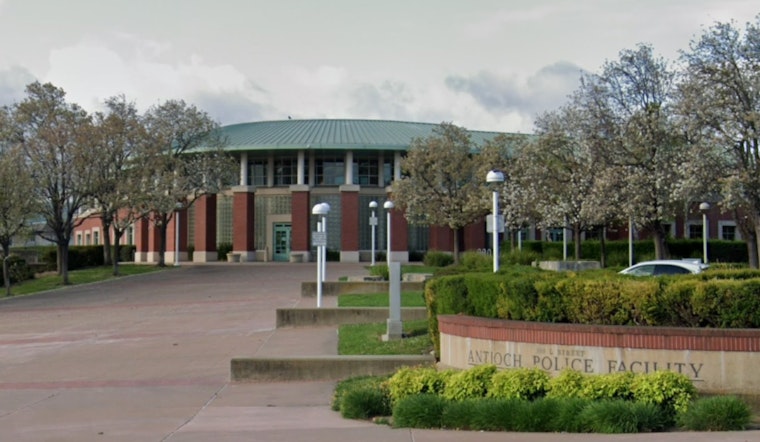
Antioch residents who dial the police non-emergency line could soon find themselves talking to artificial intelligence instead of a human, if a new police proposal gets the green light from city leaders. The department says the move would ease the strain on its busy communications center and help human dispatchers focus on true emergencies, while critics are already warning about what happens when something goes wrong.
What the department is proposing
Under a new pilot program, callers who use the business and non-emergency number would be routed to AI “agents” that collect details, generate summaries and prepare notes for dispatchers to review, according to NBC Bay Area. Lieutenant Michael Mellone told the outlet the idea is to clear some of the lower-priority traffic off the plates of 911 operators so they can zero in on life-threatening situations.
NBC Bay Area reports the proposal is scheduled to go before the Antioch City Council next Tuesday, March 24, and, if approved, could be activated within a few weeks. Officials stress that 911 calls would still be answered by human dispatchers.
Numbers behind the push
City budget documents show just how busy that communications center has become. The police communications function handled about 209,288 phone calls in 2025, according to the City of Antioch police budget packet, which also flags dispatcher staffing and training as major needs.
In that same budget packet, one of the department’s 2026 objectives is spelled out clearly: deploy an AI-powered phone system to reduce wait times and route calls in multiple languages to the right resources. Officials say the new technology is aimed at dealing with heavy call volumes and open shifts inside the communications bureau, not at replacing people outright.
Residents split on the idea
On the neighborhood level, the reaction is already mixed. Some residents told NBC Bay Area they are nervous about relying on software if there is a glitch or an internet outage, worried that a technical hiccup could slow responses when they are needed most. Others interviewed by the outlet said AI could be fine for run-of-the-mill, non-urgent reports.
A retired officer quoted by NBC Bay Area was blunt about the stakes, warning that an automated mistake could potentially cost someone their life. It is a reminder that even changes to how non-emergency calls are handled can feel high-risk when they touch public safety.
Where this fits in a broader trend
Antioch is not the only place experimenting with AI around the front lines of emergency communications. Axios reported last winter that Snohomish County and several other agencies have tested systems from Aurelian to help manage large volumes of non-urgent calls and to provide on-screen assistance for dispatchers.
Supporters of these tools argue they can shave down wait times and let human staff concentrate on genuine crises instead of routine questions or report-taking. Skeptics point to concerns about bias, accuracy and who is accountable when an algorithm gets it wrong.
How it would work and oversight
Antioch police officials say their proposed AI system would not directly dispatch officers. Instead, it would log routine reports, summarize key details and route information for a human dispatcher to review before any officer is sent out. In theory, that keeps a person in the loop for decisions that affect public safety.
The City of Antioch police budget packet also outlines ongoing oversight efforts that are already reshaping the department. A recent settlement and related compliance work with the U.S. Department of Justice led to the creation of a Compliance & Professional Standards unit and a push for stronger transparency and policy updates. City staff say that existing framework would guide any rollout, monitoring and training if the council signs off on the AI pilot.
For now, the next big step is Tuesday’s City Council meeting, where officials and residents will have a chance to publicly hash out the pros and cons. If the pilot is approved, the system could go live within weeks. Expect detailed questions about dispatcher training, how the technology will be monitored and how callers can quickly get to a live person if the AI stalls or cannot solve their problem.


