

























































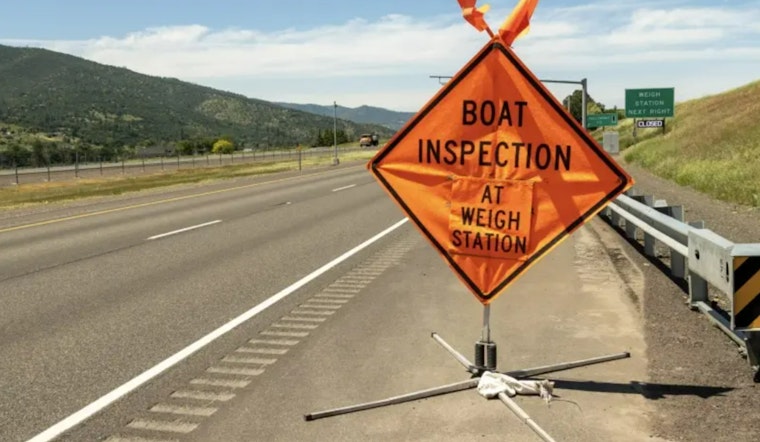
State crews at the Ashland watercraft inspection station pulled a motorboat off the highway and found what they were dreading: quagga mussels clinging to the hull and trailer. The vessel, which inspectors linked to Lake Havasu in Arizona, was decontaminated on site, and every mussel scraped off, collected and disposed of. Officials say the close call is a fresh warning that these small, fast-breeding mollusks can inflict outsized damage if they slip into Oregon lakes or water systems. It is the first mussel interception reported at Oregon's border inspection stations so far this year.
According to the Portland Tribune, Oregon Department of Fish and Wildlife (ODFW) staff spotted the mussels during a routine check at the Ashland Port of Entry. Inspectors traced the boat’s most recent launch to Lake Havasu, then carried out a full decontamination before allowing it to continue into the state. The outlet notes that if quagga mussels get established, they can threaten both waterways and critical water infrastructure.
How inspections work at the border
Oregon operates permanent inspection stations at Ashland and Ontario, along with seasonal sites at Brookings, Klamath Falls and Umatilla, and also deploys roving crews to check boats at ramps, according to the Oregon Department of Fish & Wildlife. Any vehicle towing or carrying a watercraft is required to stop at open inspection stations for a free check, where staff can decontaminate boats on the spot to remove any unwanted hitchhikers. The program’s simple guidance, “Clean, Drain, Dry,” is designed to speed inspections and cut the odds of mussels riding into Oregon on trailers and transoms.
Why managers worry about quagga mussels
Quagga mussels reproduce quickly and latch onto hard surfaces, forming dense colonies that can clog intake pipes, screens and other water infrastructure, trigger costly emergency cleanups, and strip plankton from the water that native species depend on. Federal officials warn that once dreissenid mussels gain a foothold in a waterbody they are extremely difficult to eliminate, which is why catching contaminated boats at the border is so critical, according to the U.S. Bureau of Reclamation.
Inspections are catching threats but not eliminating risk
ODFW’s 2025 aquatic invasive species report shows that crews carried out 21,136 watercraft inspections statewide last year. They performed 288 decontaminations for aquatic vegetation and conducted ten full decontaminations for invasive freshwater mussels. The agency also tested expanded coverage at high-risk locations such as Owyhee Reservoir in an effort to prevent a new infestation, according to the Oregon AIS Prevention Program 2025 annual report.
What boaters should do now
ODFW Invasive Species Coordinator Keith DeHart has urged boat owners to “clean, drain and dry” their vessels before moving them and to be especially cautious when traveling from known infested regions, the Portland Tribune reports. State officials also ask the public to report any suspected mussel sightings to the Oregon invasive species hotline at 1-866-INVADER, and the Oregon State Marine Board maintains detailed outreach and inspection information for boaters.
The Ashland interception underscores that routine roadside checks can still stop aquatic invaders at the state line, but officials say it only works if boaters play along. Drivers are urged to watch for orange “Boat Inspection Ahead” signs and be prepared to pull in when they appear. A short stop for an inspection, they note, can spare an Oregon lake from years of ecological damage and expensive repairs. For sightings or questions, the Oregon Invasive Species Hotline can be reached at 1-866-INVADER.





