

























































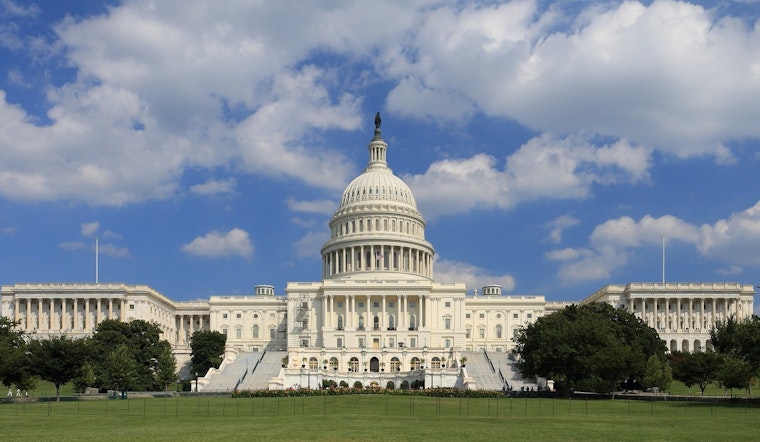
After years of fatal crashes where smaller cars slide under the towering sides or backs of big rigs, a coalition of Georgia families and national safety advocates is turning up the heat on Congress. Lawmakers reintroduced the Stop Underrides Act 2.0 in early February, aiming to require side guards on newly manufactured trailers and tighten other safety rules so more people walk away from these collisions alive. Local organizers, several of whom lost children in underride crashes, say they will host a national Zoom briefing on April 15 to bring the issue directly to the public and to lawmakers.
What the bill would do
According to Congress.gov, the Stop Underrides Act 2.0 (H.R. 7354 / S. 3775) would order the Department of Transportation to finalize a performance standard that requires side underride guards on new trailers, semi‑trailers and single‑unit trucks. The legislation also calls for tougher rear‑guard standards, new research, better crash reporting and upgraded law‑enforcement training.
Sponsors such as Sen. Kirsten Gillibrand have framed the measure as a commonsense way to preserve passenger survival space in a crash, according to a press release from her office.
Regulatory background and the numbers
NHTSA put the technical debate on the table in 2023 when it issued an Advance Notice of Proposed Rulemaking and created an Advisory Committee on Underride Protection to study possible guard designs and impacts on truck fleets. In that notice, the agency estimated that a nationwide side‑guard requirement could prevent roughly 17 deaths per year while increasing annual costs by about 970 million to 1.2 billion dollars, a cost‑benefit balance that fueled a heated public comment period.
A U.S. Government Accountability Office review has warned that underride crashes are likely undercounted and found an average of about 219 underride fatalities per year from 2008 through 2017. Advocates argue that gap in the numbers undercuts the more conservative cost‑benefit math used in federal analysis.
A split between engineers and industry
Safety researchers and engineers say NHTSA’s math leaves out important crash types and vulnerable road users, which they argue would make side guards look far more effective. The Insurance Institute for Highway Safety told regulators that a fuller accounting could show side guards preventing roughly 150 to 220 passenger‑vehicle occupant deaths annually and pointed out that the same hardware can help protect pedestrians and cyclists.
Industry groups and owner‑operators push back. They argue there is no single, crash‑tested side‑guard design, that extra hardware adds weight and fuel costs, and that a broad federal mandate would be expensive and complicated to roll out across the trucking fleet.
Georgia’s reporting gap and survivor advocates
Data problems are not confined to Washington. States are also struggling to track underride crashes accurately. As reported by 11Alive, Georgia’s Department of Transportation has been working with the state’s traffic‑records coordinating committee in the Governor’s Office of Highway Safety to examine training, software changes and the cost of adding a specific “underride” checkbox to crash report forms.
Survivors such as Lois Durso‑Hawkins and Marianne Karth, who organize through advocacy sites like StopUnderrides.org, say better reporting and visible engineering solutions such as side guards are both crucial if the debate is going to move beyond spreadsheets and into real policy.
What comes next
The House and Senate versions of the Stop Underrides Act 2.0 now sit in their respective transportation committees, where they will need hearings and votes to move forward. Sponsors stress that this version of the bill focuses on newly manufactured equipment rather than costly retrofits and restarts Department of Transportation research and advisory work that had already begun.
Whether Congress acts will likely hinge on whose numbers lawmakers trust more: NHTSA’s cost‑benefit estimates or the broader projections from safety researchers, and on whether trucking interests and manufacturers can rally around standardized, testable side‑guard designs. In the meantime, advocates in Georgia and around the country are using the April 15 briefing to press states to modernize crash reporting and to keep steady pressure on members of Congress while the technical fight plays out.





