

























































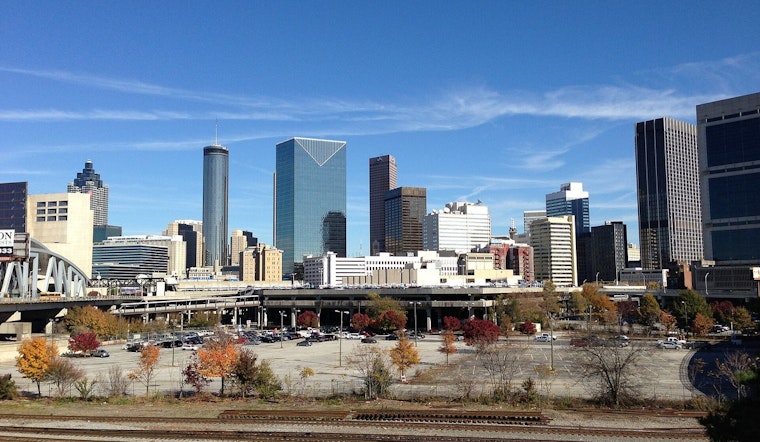
Atlanta’s long empty “Gulch” is finally being reworked into Centennial Yards, a 50 acre, roughly $5 billion mini city, and banks plus public finance tools are doing the heavy lifting. A $575 million municipal bond package, combined with construction loans and other capital, has cleared one of the project’s biggest early hurdles and unlocked plans for thousands of homes, hotels and a major entertainment district. The financing playbook looks familiar: public authorities, developers and banks are stacking tax backed bonds, bank construction loans and capital markets underwriting to move large projects from paper to pavement.
How Big Deals Are Stitched Together
Municipal bond sales, bank construction loans and capital markets underwriting have been blended to fund Centennial Yards. D.A. Davidson’s development finance group closed a $575 million bond deal that listed J.P. Morgan and co manager Truist Securities as underwriting partners, according to Urbanize Atlanta. The issuance was floated through the Atlanta Development Authority and is secured by a mix of tax increment revenues and project specific fee streams.
What The Gulch Will Look Like
The plan calls for more than 2,600 residential units, nearly 3,000 hotel rooms and roughly 900,000 square feet of entertainment and retail space across about 50 acres, per local planning documents and coverage. The project’s early pieces, including Hotel Phoenix and The Mitchell, are already open or topping out, as reported by the Atlanta Journal-Constitution, and Invest Atlanta has laid out the broader vision for the site’s transportation and public benefit components. For a local take on the hotel opening, see Hotel Phoenix Lands on Hoodline.
Local Concerns Over Affordability
The scale and financing of Centennial Yards have reignited questions about who benefits from the new growth. The city’s incentive package formally requires that 20% of new units be reserved at subsidized rents, though developers can instead pay an in lieu fee, a choice that has already drawn criticism from housing advocates. “We’re standing where there was once a 40 foot hole in the ground,” Brian McGowan said, per reporting by the Atlanta Journal-Constitution.
Same Playbook Beyond Atlanta
The same mix of public bonds, bank lending and underwriting is showing up in other markets. In Richmond, Shamin Hotels broke ground on The Mondelle, a 270 room Hilton branded hotel and conference center that secured construction and bond financing from Truist, as reported by REBusinessOnline. Reporting for the Atlanta Business Chronicle also notes Truist helped structure a roughly $171 million joint capital solution tied to that project and served as underwriter and trustee on bond financing, according to the Atlanta Business Chronicle.
Why Lenders Are Showing Up
Banks say they can knit together financing tools that reduce risk and speed delivery, performing roles from construction lender to underwriter and trustee. Truist’s asset finance unit, led by Kathy Farrell, describes its work as bringing together real estate lending, public finance and capital markets teams to deliver complex deals for cities and developers, per Truist Financial Corporation. Those capabilities make it easier for large projects to move forward on accelerated timetables.
For Atlanta the timing matters. Officials want infrastructure, hotels and an entertainment district online in advance of the 2026 FIFA World Cup, and that schedule is sharpening investor focus on near term closings. As Axios noted, the World Cup adds urgency to getting room inventory and event spaces ready, and the banking partnerships now being assembled will be tested by the project’s scale and by the city’s demand that growth produce local benefits.





