

























































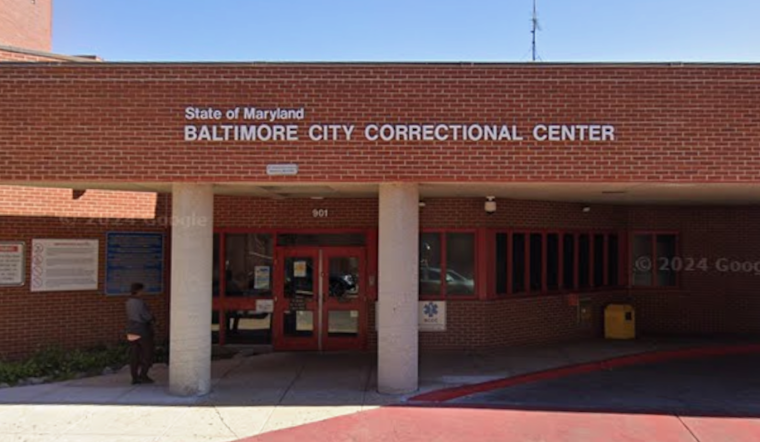
A push to pay incarcerated residents to learn trades inside the Baltimore City Correctional Center has cleared its first major hurdle in Annapolis. On March 12, the House of Delegates signed off on House Bill 194, sponsored by Del. Ric Metzgar, sending the measure to the Senate and setting up what could become a new pathway from jail to steady work. The bill would allow people held at the facility to enroll in paid apprenticeships, earn wages, and receive completion certificates before release.
What The Bill Would Do
Under HB 194, the Department of Public Safety and Correctional Services, in consultation with the Department of Labor, would establish an Incarcerated Individual Apprenticeship Pilot Program at the Baltimore City Correctional Center. The program would be separate from Maryland Correctional Enterprises and would place participants with state, local, or private employers.
Those employers would be required to pay at least the state minimum wage. The Department of Public Safety and Correctional Services would have to issue a completion certificate to participants, and the agency would be required to report on implementation to the General Assembly by January 1, 2029, according to the Department of Legislative Services. The fiscal note estimates general fund costs of at least $297,300 in fiscal year 2027.
How The House Voted
On third reading, the House approved HB 194 by a 115-17 margin. The official roll call lists 115 yeas, 17 nays, four members not voting, and five absent. The bill now sits in the Senate Judicial Proceedings Committee, where a committee hearing was scheduled for March 26, according to the House vote record.
Support In Annapolis
The proposal drew bipartisan backing during committee testimony from prosecutors, faith groups, and labor advocates. Witness filings show Baltimore County State’s Attorney Scott Shellenberger testified in favor, and local reporting notes support from Baltimore City State’s Attorney Ivan Bates as well; see the testimony and witness list on TrackBill and coverage in the Dundalk Eagle.
Background And Precedent
Metzgar has carried similar measures in prior sessions, and the idea has been kicking around Annapolis for several years. The proposal appeared as HB 289 in 2025 and traces back to earlier efforts in 2024, reflecting a multiyear push to expand prison job training. Maryland already operates apprenticeship pilot programs aimed at formerly incarcerated workers through the Department of Labor, which advocates say could provide models and administrative infrastructure if HB 194 moves forward; see prior bill tracking on LegiScan and the Maryland Department of Labor’s apprenticeship pilot page.
What’s Next
After last Thursday’s committee hearing, senators will decide whether to advance the pilot to the full Senate. If enacted, the program would initially be limited to the Baltimore City Correctional Center, run through September 30, 2029, and require the January 1, 2029, report to the legislature.
Lawmakers and advocates say the main issues to watch are the program’s costs, how quickly employers can be recruited, and the nuts-and-bolts logistics around wages, guarding, and transportation as the pilot is tested.





