

























































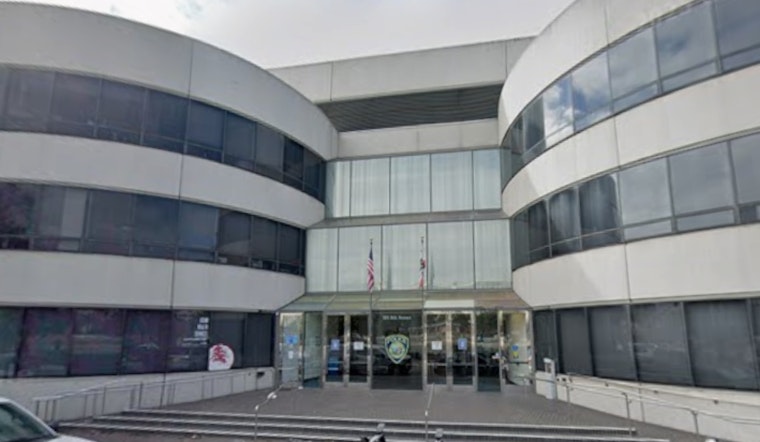
A brief, AI-generated video cooked up by a BART police sergeant over the holidays has blown up into a full-on internal investigation and a flashpoint for Sikh advocates. The six-second clip appears to show Chief Kevin Franklin proudly pinning a badge on a smiling officer in a turban, then flipping that turban to reveal a pistol. Inside the department and among civil rights groups, the episode is raising hard questions about bias, accountability and how police agencies deal with fast-spreading synthetic media.
What the video showed and how it spread
In the clip, Chief Kevin Franklin stands beside a beaming officer in a turban, pins a badge to the officer’s chest, then turns the turban over to expose what looks like a semiautomatic handgun. The video, only six seconds long, moved through group text threads among BART officers late last year. Leadership first took notice after the officer depicted complained to supervisors, according to the San Francisco Chronicle.
BART's official response
BART officials say they are treating the incident as a serious breach of standards while pointing to ongoing efforts to tighten training and discipline inside the department. Public materials from the agency highlight a long-running emphasis on progressive policing, community engagement and multiple layers of oversight and reporting that shape policies and officer training, according to BART.
Admissions, leave and union reminders
Confidential sources told the Chronicle that a sergeant admitted to creating and sharing the AI-generated video, then was placed on administrative leave for several weeks before returning to active duty in a supervisory role. The officer shown in the clip remained on stress-related leave. In the aftermath, the BART Police Officers Association emailed members and urged them to “exercise sound judgment when communicating digitally” and to delete any potentially offensive images from their phones. Jakara Movement executive director Naindeep Singh labeled the video racist, dangerous, and a direct attack on his faith, and advocacy groups have pressed for concrete accountability measures rather than general promises of better training, as reported by the San Francisco Chronicle.
Why the episode matters beyond a single clip
Civil rights advocates and tech experts say this case shows how easily generative AI can be used to fabricate images that tap into prejudice and chip away at public trust in institutions that are supposed to protect vulnerable communities. Around the world, regulators and prosecutors have begun to grapple with deepfake harms, from nonconsensual sexualized content to incendiary political fabrications. Those efforts highlight growing legal and policy risks for both platforms and individual users, with recent enforcement actions and probes into AI tools underscoring the urgency of clearer rules and stronger accountability, according to reporting from AP.
What comes next
BART has not made public the full findings from its internal investigation and has not announced any formal discipline beyond the administrative leaves described by confidential sources. People who want to challenge officer conduct can use the agency’s oversight channels, including the Office of the Independent Police Auditor, to request further review. Community organizations say they will be watching closely to see whether the department follows through with discipline or policy changes that match the seriousness of the incident. For more on the department’s policies and oversight structure, see BART.




