

























































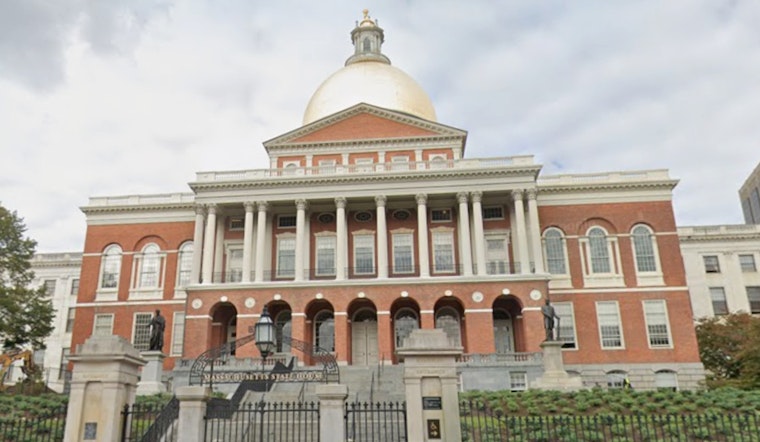
Lawmakers and conservation advocates filled a State House hearing room on Monday as backers pressed a plan to create a "Nature for All" fund. Supporters say the proposal would redirect part of the state's sporting goods sales tax into a dedicated pot for land protection, water restoration and new parks, roughly $100 million a year by their estimate. The measure would set up a 15-member board to approve grants and oversee spending, and would be administered by the Executive Office of Energy and Environmental Affairs. Proponents framed the effort as a way to expand outdoor access, particularly in underserved communities, as per WBZ NewsRadio.
The Joint Committee on Initiative Petitions held a public hearing on the proposal, as reported by WBZ NewsRadio. Katharine Lange of the Conservation Law Foundation told the room that "residents across the state deserve equal access to outdoor green spaces," and Mass Audubon CEO David O'Neill was quoted saying if lawmakers do not act "we'll go to the ballot and we'll win there," per the WBZ account. The hearing brought representatives from a wide coalition of conservation groups to Beacon Hill to press lawmakers for quick action.
What the bill does
Filed as House bill H.901, with a Senate companion, the legislation would credit receipts from sales of sporting-goods categories to the Nature for All Fund and authorize the executive office to award grants for parks, trails, habitat restoration and drinking-water protection. The bill text also specifies eligible recipients, including municipalities, tribal authorities, land trusts and nonprofit conservation groups, and creates a 15-member Nature for All board that includes agency officials and ten public appointees. The board would approve regulations and expenditures, and the executive office would hire staff to manage the program. The Massachusetts Legislature lays out the fund's structure and uses.
Ballot backup and signature haul
Organizers say they have already gathered a substantial signature haul as a back-up plan and could place a related "Protect Water and Nature" question on the 2026 ballot if the Legislature fails to act. The campaign points to estimates that reallocating a portion of the current sporting-goods sales-tax revenue could provide about $100 million a year for conservation and outdoor access without raising taxes. Supporters filed the raw signatures last fall and say they exceeded the threshold needed to move toward certification and submission to the Secretary of the Commonwealth. Nature for Massachusetts has published details about the ballot strategy and its signature totals.
Who’s backing the push
The Nature for Massachusetts coalition includes Mass Audubon, the Conservation Law Foundation, the Appalachian Mountain Club, the Trust for Public Land and more than 50 local organizations and land trusts. Those groups say the fund would accelerate land protection, help meet the state's biodiversity and climate goals, and fund projects that prioritize environmental-justice communities. Mass Audubon has been active in outreach and advocacy around the proposal and has framed the funding as essential to meeting statewide targets for habitat protection and access. Mass Audubon has outlined how the fund could be used to support conservation goals.
Money, oversight and safeguards
The bill includes guardrails intended to prevent the Nature for All Fund from supplanting existing capital commitments: it bars the executive office from making expenditures that would cause a year-over-year decrease in bond cap spending and directs the board to set limits on supplementing current programs. The legislation also allows the treasurer, with legislative authorization, to issue bonds backed by the fund to boost early investments. Advocates say those mechanisms are designed to reassure skeptical lawmakers that the fund will be additive, not a reallocation that weakens other conservation or infrastructure programs. The Massachusetts Legislature details the safeguard language and bonding authority.
What’s next
Committees will continue to consider the bill and the initiative route; if lawmakers do not act this session, organizers are prepared to press the question to voters in November 2026. The campaign says it will keep building local support and working with municipalities and conservation groups to identify projects that could be funded by the new stream of revenue. Local reporting and campaign statements indicate the coming months will be focused on legislative outreach and community engagement ahead of any ballot timeline. NBC Boston has tracked the campaign's signature filings and next steps.





