

























































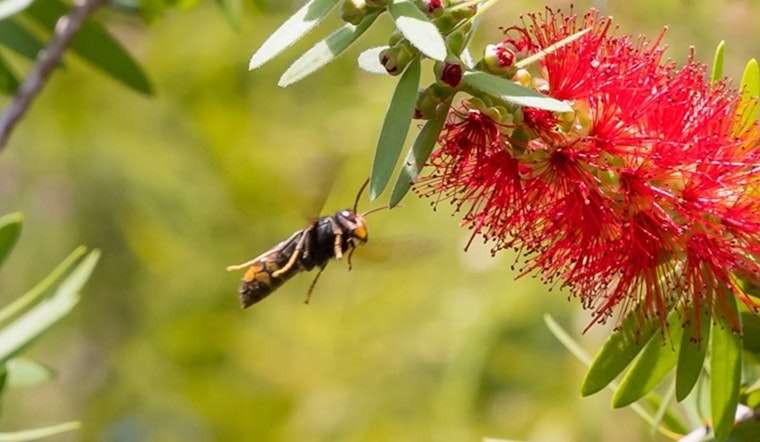
Spring in Georgia is coming with an extra headache for farmers and beekeepers, as the invasive yellow-legged hornet re-emerges and state officials scramble to keep it from getting a serious foothold. The Georgia Department of Agriculture says small early-season "embryo" nests, often only the size of a ping-pong or tennis ball, start showing up between March and April when mated queens wake up and launch new colonies. Finding and dealing with those tiny nests now can mean far fewer hornets later in the year and better protection for the pollinators that keep Georgia's farm economy humming.
What officials want you to do
State officials do not want residents playing hornet exterminator. Instead, they are asking Georgians to report suspected embryo nests and leave removal to trained crews. According to the Georgia Department of Agriculture, these starter nests tend to show up in sheltered spots such as eaves, shrubs or low branches. The advice: take clear photos from a safe distance and send them in.
Reports can be emailed to [email protected] or submitted through the agency's online reporting form so specialists can verify the photos and coordinate targeted eradication. The goal is to catch queens and their tiny colonies before they turn into large, high-traffic hornet hubs later in the season.
How dangerous the hornet is
The species confirmed in Georgia is Vespa velutina, better known as the yellow-legged or Asian hornet, and experts warn it preys on honeybees and other pollinators that crops depend on. According to USDA's Animal and Plant Health Inspection Service (APHIS), these hornets build paper nests that can hold thousands of workers, and the early embryo nests are by far the easiest stage to destroy.
When these hornets hunt at hive entrances, that predator pressure can cut down bee foraging and weaken colonies. That is why federal and state teams are emphasizing quick, precise removal rather than waiting to see how things play out.
How the problem started and what’s been done
The first live specimen found in the open United States was reported by a Savannah beekeeper in August 2023 and later confirmed by state and federal labs, according to a Georgia Department of Agriculture press release. Since that first sighting, GDA crews, working with USDA and university partners, have located and eradicated multiple embryo nests in the Savannah area.
Officials now publish a regular Yellow-Legged Ledger to keep beekeepers and the public updated on detections, eradications and what to watch for as the season goes on.
How to spot a true yellow-legged hornet
Because several native wasps can look similar at a glance, officials are urging people to document what they see instead of guessing. Key features to look for include yellow coloring on the lower legs and a prominent yellow band on the abdomen.
The University of Georgia extension offers side-by-side identification tips and a beekeepers' guide to help distinguish Vespa velutina from common look-alikes. Clear photos of the insect plus an estimate of the nest height are especially useful for confirmation.
Tips for beekeepers and growers
Beekeepers are being asked to keep a close eye on hive entrances for hunting hornets, take notes or photos, and share those observations with state or extension teams rather than attempting any do-it-yourself eradication. The federal APHIS identification page and state specialists caution against disturbing nests, since a displaced queen can simply restart the cycle somewhere else.
Instead, officials want suspected nests reported so trained crews can deploy traps and remove colonies safely. Fast reporting during the March to April embryo-nest window is critical to reducing the odds that those small starter nests grow into large summer colonies.
Where to get updates
State leaders stress that public reports are the best early-warning system to keep the pest from spreading beyond the Savannah area. For local coverage of the advisory, see WSB-TV, and use the Georgia Department of Agriculture reporting page linked above to submit photos and location details if you spot something suspicious.




