

























































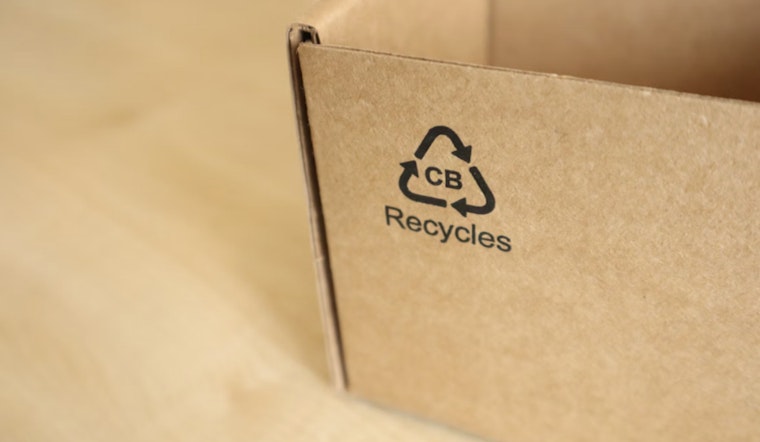
In the latest clash over what counts as “green” in the Golden State, a coalition of farming, forestry, restaurant and packaging trade groups filed suit on Tuesday asking a federal judge to halt California’s Truth in Recycling law. The complaint, lodged in the U.S. District Court for the Southern District of California, argues that the state’s limits on recyclability claims and the familiar “chasing arrows” symbol amount to an unconstitutional restriction on commercial speech. Plaintiffs include the Dairy Institute of California, the Flexible Packaging Association and Western Growers, and they are seeking a preliminary injunction while the case plays out.
What SB 343 requires
Senate Bill 343 tightens the rules around recyclability claims and use of the chasing-arrows symbol, tying any such marketing to strict statewide recyclability criteria and expanded recordkeeping requirements. The measure was approved by the Legislature and signed by Gov. Gavin Newsom in 2021, and its text spells out the criteria CalRecycle must use to decide whether an item can display the symbol. The statutory language is laid out in the Legislative Counsel's SB 343 text.
Plaintiffs say the law amounts to censorship
The industry coalition argues that the law functions as “government-imposed censorship” because it can prevent manufacturers from telling customers when packaging is recyclable under some real-world systems. “SB 343 forces dairy product manufacturers to remove vital recycling guidance from the very cartons Californians rely on every day,” Dairy Institute Executive Director Katie Davey said in a statement. The groups told reporters they are asking the court to pause enforcement of the law while the dispute is litigated, a request that was detailed in coverage of the filing by the Los Angeles Times.
State data and cleanup costs
California's waste agency has found that many single-use plastics are collected and processed at very low rates, with several common materials recovering in the single digits, and CalRecycle's recent characterization work underpins the standards written into SB 343. A report by the NRDC also estimates that cleaning up plastic litter costs governments, businesses and taxpayers billions of dollars a year, figures that advocates say help explain why the state moved to rein in what it views as misleading recyclability claims. Environmental groups argue that, given the low recovery rates, restricting deceptive claims protects consumers and keeps materials from being diverted to landfills or exported overseas.
Legal stakes and the compliance clock
The case tees up a straightforward constitutional fight over commercial speech: how far a state can go in curbing labels and claims it deems misleading. The plaintiffs’ request for a preliminary injunction is the first big test. If a judge grants it, enforcement of parts of SB 343 could be paused while the complaint works through the courts. Regulators and businesses are also watching a separate compliance timeline triggered by CalRecycle’s final findings. According to legal guidance published on JD Supra, that schedule sets an October 4, 2026 deadline for companies to bring packaging and on-pack recyclability claims into line with the law. Lawyers say early scheduling orders and briefing will determine whether the court decides the injunction on a fast track or lets the case move more slowly.
Expect a steady stream of legal briefs, motions for emergency relief and responses from the state in the coming weeks. However the court rules, the outcome is likely to influence how companies label packaging nationwide and could reshape the timetable for California’s tighter standards on recyclability and environmental marketing.





