

























































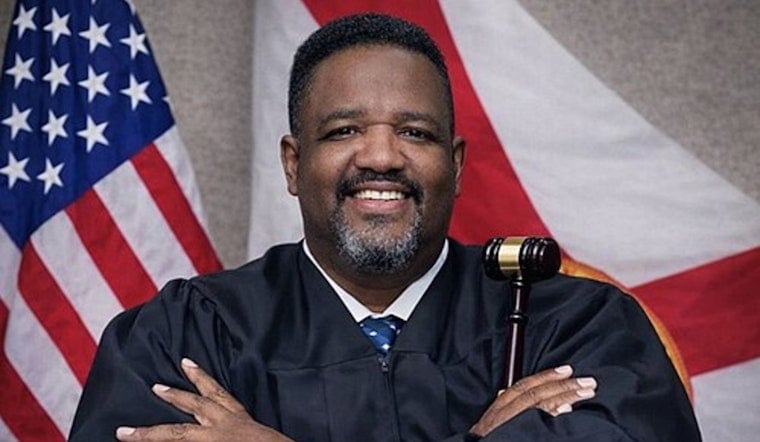
The Florida Supreme Court on Thursday, March 12, 2026, ordered a public reprimand for Broward County Judge Woody Clermont after he admitted he had acted as legal counsel for a friend during a first‑appearance hearing. The high court found that his conduct violated multiple canons of the Code of Judicial Conduct and undercut public confidence in the bench. Clermont must travel to Tallahassee and stand before the justices in person to receive the reprimand, on a date the Clerk will set.
The disciplinary order stems from an April 11, 2025, first appearance in Broward County, where Clermont walked into another judge’s courtroom to help a friend who had been arrested on domestic‑violence charges. He then advocated on the friend’s behalf, negotiated with the assistant state attorney, pushed for a particular bond and offered unsolicited character testimony, according to Tampa Free Press. Court filings state that the presiding judge promptly reported the episode to colleagues, who in turn advised Clermont to alert the Judicial Qualifications Commission.
What the court said
In a short per curiam opinion, the justices wrote that Clermont’s own admissions "amply support" the finding that he failed to uphold the integrity of the judiciary, and the court accepted the parties’ recommendation that a public reprimand was appropriate given his clean disciplinary record and what it described as his cooperative and remorseful response, Tampa Free Press reports. The decision was unanimous, with Chief Justice Muñiz and Justices Labarga, Couriel, Grosshans, Francis, Sasso and Tanenbaum all concurring.
How the episode unfolded
Documents the Judicial Qualifications Commission filed with the Supreme Court in 2025 describe the April appearance in detail and say Clermont identified himself as a judge before speaking with prosecutors and then announcing he would represent the defendant, which the filing said created an "appearance of impropriety," as CBS Miami reported. The commission ultimately found no evidence that his presence actually changed the outcome for that defendant, but still recommended discipline, concluding that Clermont’s actions crossed several ethical boundaries.
Legal implications
Florida’s judicial rules prohibit sitting judges from practicing law or using the prestige of their office to advance private interests, and they caution judges against volunteering character testimony in court, as the state’s code makes clear. Materials from the Judicial Qualifications Commission and other court records note that Canon 5 of the Florida Code of Judicial Conduct explicitly states that "a judge shall not practice law," guidance the Judicial Qualifications Commission highlights in its own explanations.
Local context
Clermont’s reprimand lands in the middle of a run of disciplinary cases involving judges in Broward County and across Florida this year, a trend flagged in industry roundups and local coverage compiled by legal observers. The Florida Bar’s Daily News Summary and regional outlets have tracked several recent matters in which the state’s disciplinary machinery has recommended or imposed public reprimands and other sanctions on sitting judges.
Hoodline first covered Clermont’s situation when the Judicial Qualifications Commission filed its recommendation last year, in a piece titled "Faces Possible Reprimand" that laid out the background and linked to the JQC filing. His upcoming appearance before the Supreme Court will serve as the formal, public conclusion of the case, with the clerk to set the date for the in‑person reprimand.
For Broward readers, the whole saga is a pointed reminder that Florida’s rules strictly separate what judges can do off the bench from the practice of law, and that the high court’s very public handling of discipline is aimed at shoring up confidence in the state’s judiciary.





