

























































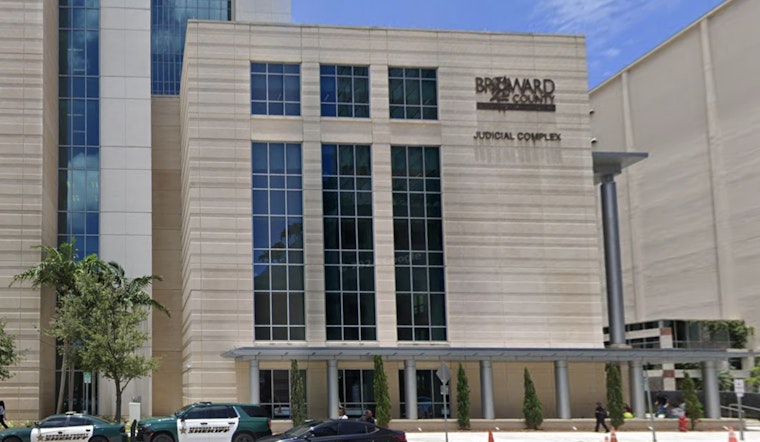
A Broward County judge has tossed a red-light camera citation in a ruling that attorneys say exposes a constitutional flaw in Florida’s photo-enforced ticket system. The notice started with a camera in Sunrise snapping a vehicle, and the registered owner in Tamarac soon found a fine in her mailbox. Her attorney, Bret Lusskin, has not minced words about the program, calling it “never about safety” and “just about money.”
Judge’s Order Frames The Legal Question
In a 21-page order signed March 3, Judge Steven P. DeLuca granted a motion to dismiss and found that the statute behind camera citations improperly shifts the burden of proof onto vehicle owners while treating some cases as “quasi-criminal” proceedings. As reported by CBS12, the written decision lays out why, in his view, due-process protections are implicated. The full court order is posted in PDF form on CBS12.
Attorney And Advocacy Groups Press The Point
Bret Lusskin, who represented the Tamarac woman and helped found the StopTheCams effort, told reporters that the system turns drivers into an ATM and is driven by revenue, not safety. Those arguments and Lusskin’s comments were detailed by Local10. The StopTheCams group has cast the Broward ruling as a major win in its broader fight against automated enforcement, and it has posted its reaction and analysis on StopTheCams.
What The Law Actually Says
Florida’s red-light camera law, Section 316.0083 of the Florida Statutes, provides that when a traffic infraction detector records a possible violation, the registered owner of the vehicle is presumed responsible unless that owner files an affidavit naming the actual driver or fits another listed exemption. The statute also sets the baseline $158 penalty and explains how portions of each fine flow to state and local funds, according to the text posted by the Florida Senate. The same section lays out the deadlines for affidavits and hearings.
Local Budgets And The Money Trail
Cities and towns that use red-light cameras pull in serious cash. Some Florida municipalities reported seven-figure totals from camera enforcement last year, and local officials are watching the Broward ruling closely because it could affect those collections. One town, Orange Park, flagged roughly $2.15 million in red-light fines over the past year, and while some city leaders continue to defend cameras as a safety tool, critics see them primarily as a revenue stream, according to reporting by WFTV.
What Happens Next
For now, Judge DeLuca’s dismissal applies only to the single Broward County case in front of him. Prosecutors, municipalities or the state could choose to appeal, and attorneys expect the issue to move into the appellate courts. If an appeals court or the Florida Supreme Court ultimately agrees with DeLuca’s reasoning, his analysis could reshape red-light camera enforcement statewide, according to coverage by CBS12.
Legal Implications
If higher courts accept the view that camera-generated infractions are quasi-criminal, prosecutors would face a heavier burden to prove who was actually driving, potentially up to proof beyond a reasonable doubt. Cities that have woven automated ticket revenue into their budgets could see new legal exposure, including challenges to old fines. Judge DeLuca’s order walks through those procedural concerns and is already being cited by defense attorneys in traffic hearings, according to the PDF of the ruling hosted by CBS12.
For Drivers
Under Section 316.0083, anyone who gets a red-light camera notice has the right to review the images and request a hearing, and owners who want to fight a citation must follow the affidavit and hearing deadlines laid out in state law. Defense attorneys say this Broward ruling makes it more enticing for some drivers to contest questionable tickets while the broader legal fight plays out, based on their reading of the statute on the Florida Senate site.





