

























































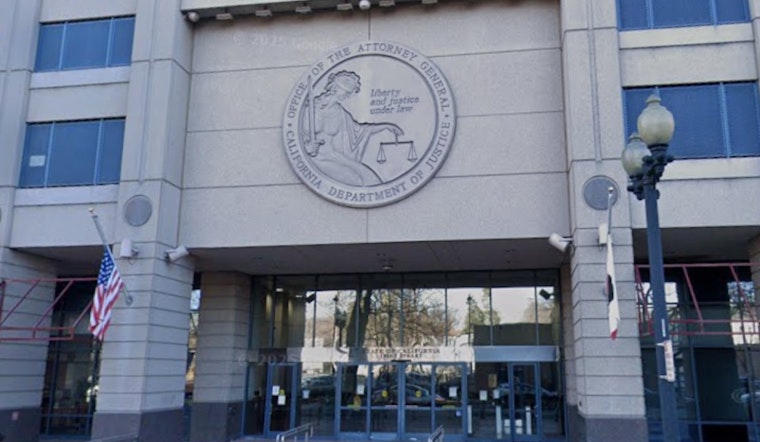
California Attorney General Rob Bonta is taking a swing at one of the biggest TV deals in recent memory, suing Wednesday to block Nexstar Media Group’s $6.2 billion acquisition of TEGNA. He argues the takeover would create a broadcast powerhouse that squeezes viewers and local newsrooms alike. Joined by eight other attorneys general, Bonta’s complaint says the combined company would reach roughly 80% of U.S. television households and could drive up cable and satellite bills.
In a press release from the State of California Department of Justice, Bonta’s office said it filed the case in the U.S. District Court for the Eastern District of California, alleging violations of Section 7 of the Clayton Act. The release warns that the merger would concentrate control of local programming and advertising in numerous markets and points to reported newsroom cuts at Nexstar-managed stations as a preview of what could follow.
What Bonta and Allies Say the Merger Would Do
Bonta has not minced words, warning that this merger would cause incredibly high levels of concentration in local TV markets. In his post on X and in his office’s statement, he argues the deal would strip communities of independent newsrooms and narrow the range of viewpoints on the air. The lawsuit asks the court to stop the transaction before it closes, contending that combining the nation’s largest and third-largest station groups would violate federal antitrust law.
Deal Details and Company Case for the Merger
Nexstar and TEGNA announced their agreement in August 2025, outlining a $6.2 billion transaction that would merge roughly 265 full-power television stations across 44 states and reach about 80% of U.S. TV households, according to Business Wire. Company statements pitch that scale as essential to competing with streaming giants and say combining operations would create efficiencies that ultimately support stronger local reporting.
Regulatory Review, Industry Reaction and Newsroom Worries
The merger still has to clear federal regulators. The FCC has opened a public comment process on the proposed transfer of Tegna licenses and on whether the national ownership cap should be adjusted, TheWrap reported. Critics counter that the sheer size of the deal threatens viewpoint diversity and could mean more layoffs and centralized news operations, with state officials pointing to recent reports of firings at Nexstar-managed stations as a warning sign. Unions and media-watch groups have urged regulators to dig into how further consolidation might affect advertising markets and the depth of local coverage.
Legal Next Steps
The complaint in the Eastern District of California alleges the transaction violates Section 7 of the Clayton Act and asks for a permanent injunction to block the sale, according to the California Department of Justice. The filing opens the door for parallel scrutiny from the U.S. Department of Justice and the FCC and sets the stage for a potentially drawn-out fight over how much consolidation regulators are willing to tolerate in local TV.
Whether courts or regulators ultimately stop the sale, Bonta is casting the battle as one about protecting local voices and viewers’ wallets. For now, the future of the Nexstar TEGNA deal will be decided in a flurry of federal court briefs and regulatory comment filings as the companies, state enforcers and national regulators all make their case.





