

























































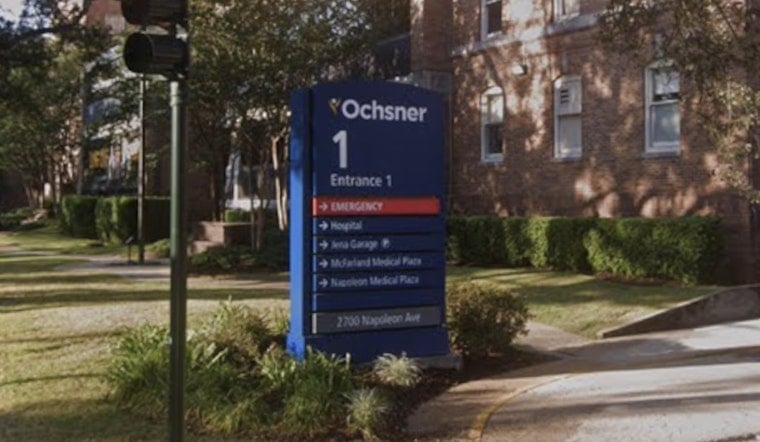
Cancer care in New Orleans is getting a serious tech boost. Ochsner MD Anderson Cancer Center is rolling out a new form of precision radiotherapy that literally follows tumors as they move inside the body, using the cancer’s own biology as a guide. Installed at Ochsner Baptist, the system makes the center the first in the southern United States to offer this FDA‑cleared therapy for selected lung and bone tumors, and one of only a handful of sites worldwide using it. Clinicians say it allows them to track tumor motion and hit multiple targets while better protecting nearby healthy tissue compared with traditional radiation techniques.
How the treatment tracks cancer
According to Ochsner Health, the platform fuses positron‑emission tomography (PET) imaging with a linear accelerator so the tumor effectively becomes a biological beacon during treatment. Right before the session, patients receive an injected radiopharmaceutical that makes cancer cells light up on PET. The system then detects those signals second by second and automatically shifts the radiation beam in real time to follow the tumor’s motion, which can reduce unnecessary radiation to surrounding organs and tissues.
Background on the technology
RefleXion Medical markets the technology under the name SCINTIX, previously described as biology‑guided radiotherapy (BgRT). The company reports that the system has FDA clearance for FDG‑guided treatment of lung and bone tumors. Early data from the vendor and initial clinical users suggest the platform can deliver highly precise radiation doses to multiple moving targets, even as the company and researchers continue exploring additional radiotracers and new cancer indications.
What it means for patients in the Gulf South
As reported by New Orleans CityBusiness, Ochsner MD Anderson will become one of just eight sites worldwide offering this therapy, bringing access far closer for Gulf South patients who might otherwise have to travel long distances for similar care. “Biology‑guided radiotherapy marks a significant advancement in enhancing the precision of radiation treatment, offering improved control over tumor motion and the potential to lower radiation toxicity,” said Troy G. Scroggins Jr., chair of radiation oncology at Ochsner MD Anderson, in a statement released by Ochsner Health.
Medical limits and early evidence
Clinical studies point out that BgRT/SCINTIX is not a fit for every patient. Eligible tumors must take up enough FDG, fall within defined size and motion limits, and be located a safe distance from other FDG‑avid organs at risk. A recent clinical workflow study notes that these criteria can rule out some cases. Early outcomes from RefleXion’s PREMIER registry indicate that treatment of lung and bone lesions is feasible, while researchers and the company emphasize that broader adoption will depend on accumulating more evidence and adapting the platform to additional tracers and tumor types.
Ochsner officials say the therapy will be offered to eligible patients across the Gulf South in the coming weeks, with plans to fold it into multidisciplinary care and clinical trials as the data grow. Patients and referring physicians are encouraged to contact Ochsner MD Anderson directly for case‑by‑case eligibility details and scheduling.



