

























































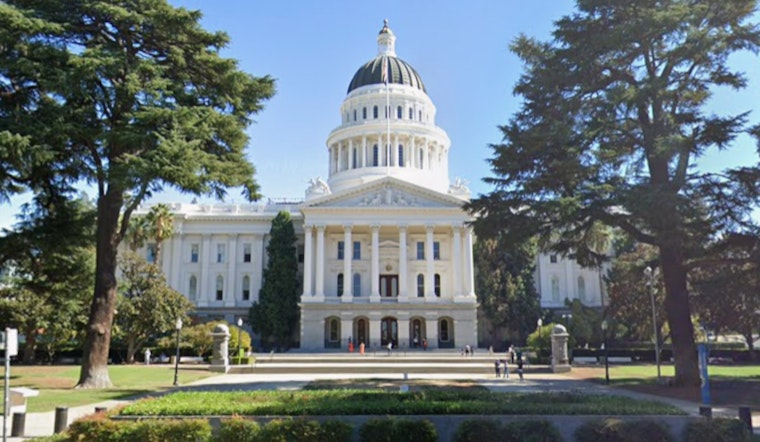
California lawmakers have quietly taken a big swing at some of the state’s most secretive law-enforcement operations, ordering a formal review of the federally backed "fusion centers" that hoover up intelligence and share it across agencies. The Joint Legislative Audit Committee has greenlit a request from state Sen. Sabrina Cervantes that directs the California State Auditor to examine how these centers operate, share sensitive information and spend federal dollars, after months of pressure from legislators and civil-liberties advocates worried about lax oversight.
According to The Sacramento Bee, the committee on Tuesday approved an audit request that would let State Auditor Grant Parks dig into fusion centers across California without needing a full vote of the Legislature. The Bee also reported that the review could quickly run into legal roadblocks if Parks seeks records held by federal partners or classified materials, although Gov. Gavin Newsom’s office said state agencies would coordinate and provide information if the audit goes forward.
What fusion centers do and where they operate
Fusion centers are state and local intelligence hubs that gather, analyze and pass along tips to federal and regional partners. California’s primary state operation, the State Threat Assessment Center, is run by the California Highway Patrol in partnership with the Department of Justice and the Governor’s Office of Emergency Services, according to Cal OES. Regional centers tied into STAC operate in Sacramento, San Francisco, Los Angeles, Orange County and San Diego, per the Department of Homeland Security’s fusion center directory.
Why lawmakers pushed for an audit
Backers of the review are not starting from scratch. They pointed to controversies that have dogged fusion centers for years, including leaked Northern California Regional Intelligence Center documents from 2020 that showed officials tracking post-George Floyd protests and tagging some demonstrators as "antifa," a revelation that helped fuel calls for statewide scrutiny, as reported by The Sacramento Bee. Lawmakers also cited broader questions about whether fusion centers deliver much bang for the considerable federal buck: a 2012 U.S. Senate subcommittee investigation concluded that the centers produced little meaningful counterterrorism reporting and raised alarms about federal spending and civil-liberties risks, according to the U.S. Senate report from that probe.
Legal questions and what an audit could examine
In theory, the audit could be sweeping. State reviews typically look at whether federal grant money is spent according to the rules, whether agencies keep records that match accounting standards and whether policies on the books actually protect privacy and civil liberties. Those are familiar lanes for the California State Auditor’s office, which has tackled similar issues in past reports, per the California State Auditor. In practice, the scope will hinge on what the auditor is legally allowed to see and whether the most sensitive documents sit in federal hands or carry classification markings, limits that could narrow the review and spark legal tussles.
What happens next
The committee vote does not flip an instant "on" switch for investigators. It authorizes the State Auditor’s office to consider taking the case, but a formal audit has not yet begun. The item now appears on the Legislature’s agenda, and the auditor will weigh how broad the review should be, how long it might take and what legal barriers loom before sending out requests for documents and interviews, according to the committee listing in the Senate’s daily file.





