

























































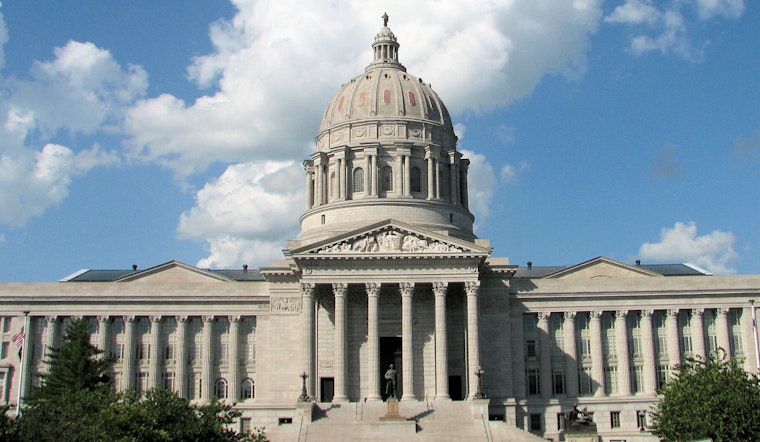
The Missouri House on Thursday signed off on a plan to slap simple A-F letter grades on every public school in the state, pushing forward a statewide overhaul that Gov. Mike Kehoe has already kicked off by executive order. Backers say the streamlined grades will make school quality easier for families, taxpayers and lawmakers to digest. Critics on both sides of the aisle counter that a single letter could brand entire communities and trigger side effects no one is really planning for. The bill now heads to the Senate, where that chamber and the governor’s order will end up shaping what the final system actually looks like.
House Moves A-F Framework Forward
Representatives advanced the bill after a floor fight over the guts of the rating system: how a 0-100 score is calculated, what counts toward it, and where the cutoffs will fall between an A and an F. The sponsor, Republican Rep. Dane Diehl of Butler, argued that an A-F report card is coming one way or another and said lawmakers should be the ones drawing the lines instead of leaving the big calls to education officials. As reported by the St. Louis Business Journal.
House Adds An 'Environment' Component
Before final passage, the House signed off on an amendment that adds a school “environment” category to the mix. That piece would track suspension, seclusion and restraint incidents, along with satisfaction surveys from students, parents and teachers, and weigh them alongside achievement and growth metrics. Supporters say it keeps the system from being all about test scores. The Senate’s version, though, leaves that component out, setting up a potential clash over what ultimately makes it into law. According to the Missouri Independent.
Price Tag And Technical Work
Behind the policy debate sits a not-so-small bill for taxpayers. State number crunchers peg the upfront programming and IT work to build the online report cards at about $2.07 million in the first year, with ongoing IT support and a new Department of Elementary and Secondary Education staff position baked in after that. On top of that, the bill’s “Show Me Success” performance awards could send about $7.46 million to local districts if lawmakers actually fund them, and the fiscal note shows a first-year net general revenue hit that could run up to, or above, $9.7 million. Those figures come straight from the legislative fiscal note for the measure.
Bipartisan Concerns On The House Floor
Even some who like the idea of clearer data are nervous about shrinking an entire school’s story down to one letter. Lawmakers from both parties raised alarms about whether the ratings might drag down staff morale, scare off prospective employees or encourage schools to play the numbers instead of focusing on learning. “Will this labeling system actually improve schools or will it mostly brand communities, destabilize staffing and incentivize gaming rather than learning?” Rep. Kem Smith asked during debate, according to coverage from the Missouri Independent. Some members said late tweaks made the bill more tolerable, and House Education Committee Chair Rep. Ed Lewis defended the package as “the best product we have in the Capitol right now,” per that reporting.
Kehoe's Executive Order Sets A Deadline
The whole push traces back to Gov. Mike Kehoe’s executive order directing the State Board of Education to have the Department of Elementary and Secondary Education design an A-F rating model for the board to review. The order tells DESE to deliver a full implementation plan by June 30 and spells out that the letter grades are to be based on a 0-100 scale, with an “A” reserved for excellent student outcomes. That language appears in the executive order itself.
How Other States Use Letter Grades
Missouri is hardly inventing this idea from scratch. National research shows many states already rely on letter ratings or a 0-100 index to boil down school performance, usually blending achievement, growth and graduation data into one composite score. At the same time, scholars warn that those single-letter labels can oversimplify what is really going on inside classrooms and recommend that states publish detailed indicators and context alongside any headline grade. That concern is laid out in a national review of existing rating systems.
What's Next
With the House green light in hand, the proposal now crosses the building to the Senate, where lawmakers will have to reconcile their version with both the House bill and the governor’s executive order before anything lands back on Kehoe’s desk. Superintendents and school leaders say they are watching closely to see how the fine print on score thresholds, test-participation rules and possible funding incentives is written, since those details will decide whether the new A-F grades actually change behavior or mostly generate headlines.
Sources: as reported by the St. Louis Business Journal, according to the Missouri Independent, the legislative fiscal note (Senate Fiscal Note), Gov. Kehoe's executive order (Executive Order 26-01) and a national review of state rating systems (RTI Press).



