

























































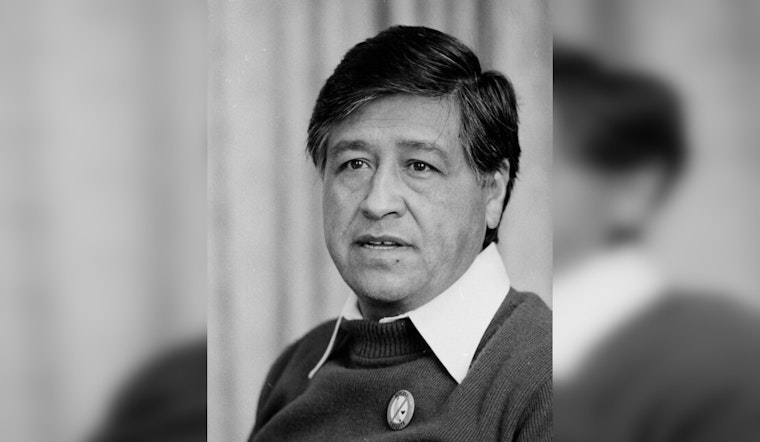
Minnesota lawmakers are moving to strip Cesar Chavez Day from the state books after reports that the late labor icon was accused of sexual abuse, triggering a fast-moving reckoning over how he is honored in the Twin Cities and beyond.
The push comes on the heels of a wave of disclosures that have led cities, schools, and community groups across the country to cancel or rename events tied to Chavez. At the Capitol, lawmakers say repealing the holiday would be a first step toward centering survivors while Minnesota figures out what, if anything, should replace it.
Rep. María Isa Pérez‑Vega of St. Paul says she plans to introduce a bill to repeal the state’s official recognition, and House DFL Leader Zach Stephenson told reporters the caucus is ready to move quickly. Pérez‑Vega noted that taking Chavez’s name off the calendar will not undo harm that survivors experienced, but called repeal “a step forward for healing,” according to CBS Minnesota.
The political scramble followed a multi-year investigation whose findings surfaced publicly this week. News outlets detailed allegations from multiple women, including prominent labor leader Dolores Huerta. Those revelations have already prompted cancellations and renamings of Chavez-themed events across the country, as reported by AP News.
Minnesota first designated March 31 as Cesar Chavez Day in 2014, when lawmakers passed Chapter 159, and then Gov. Mark Dayton signed it into law. If the repeal effort succeeds, the statutory language that names March 31 “Cesar Chavez Day” would be removed from state law, according to the legislative record at the Revisor of Statutes.
Tributes to Chavez are firmly embedded in the Twin Cities landscape, from Cesar Chavez Avenue in Minneapolis to Cesar Chavez Street on St. Paul’s West Side, along with a charter school named Academia Cesar Chavez. Leaders at the school called the new allegations “profoundly concerning” and said they are pausing to absorb and assess the information that is coming out, per CBS Minnesota.
What repeal would require
To remove the designation, lawmakers would have to go through the standard legislative gauntlet. That means committee hearings, votes on the House and Senate floors, and final approval by the governor. Along the way, legislators could tweak the bill, tack on amendments, or quietly slow it down.
The 2014 recognition was written into statute rather than issued as an executive proclamation, so repeal has to happen by statute as well, according to House Research.
Advocates, community leaders, and officials are already wrestling with the core tension. Can Minnesota still honor the farmworker movement and broader labor struggle while severing official ties to a leader now accused of serious harm? For the moment, Pérez‑Vega has made her move. It is now up to the Legislature to decide how fast it wants to rip Cesar Chavez Day out of Minnesota law.





