

























































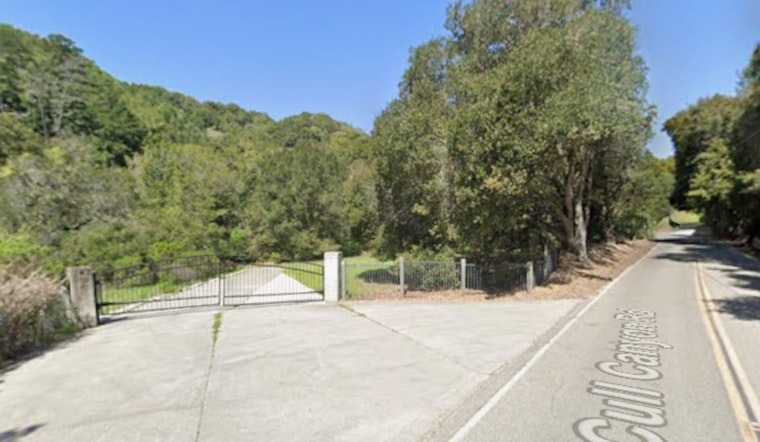
The Mosaic Project spent years and roughly $3 million trying to turn a tucked-away, 37-acre Castro Valley canyon parcel into a residential nature camp for kids, and now the neighborhood is in open revolt. Supporters frame the plan as a weeklong escape that would pull fourth- and fifth-graders off screens and into nature and social-emotional learning. Opponents counter that the chosen site is a wildfire trap with a single narrow, steep road and limited water supply. The clash has already run through county land-use bodies and is now headed for a high-stakes appeal before the Alameda County Board of Supervisors.
As reported by the San Francisco Chronicle, donors bought and then donated the 37-acre Cull Canyon parcel to Mosaic in 2018, and the nonprofit has since put about $3 million into preparing the property. The Chronicle notes the overall buildout was originally pegged at around $10 million and that Mosaic estimates the camp could eventually serve nearly 1,000 students a year. After an August vote by the Castro Valley Municipal Advisory Committee and a December denial from a county zoning board, Mosaic appealed to the Board of Supervisors.
Camp Site Plans and Environmental Review Under the Microscope
Project filings in the state CEQA database spell out what Mosaic wants to build: twelve 400-square-foot cabins, an 8,500-square-foot central meeting and dining hall, a restroom and shower building and a two-story staff residence, along with an on-site septic system and groundwater wells. According to the state CEQA database, the property is listed at 17015 Cull Canyon Road, and the record includes technical appendices on geotechnical conditions, hydrology and a draft fire safety and emergency response plan. The project record shows a Final EIR and mitigation measures were prepared as part of Alameda County’s review.
Programs and Supporters
The Mosaic Project says the canyon site would become a permanent home for its Outdoor Project curriculum, which brings fourth- and fifth-grade classes together for immersive, weeklong sessions focused on nature and peer learning. As outlined on The Mosaic Project's website, the nonprofit also runs in-school and overnight programs that already reach many Bay Area classrooms and lists partnerships with multiple local schools. Supporters told county staff that securing a permanent East Bay base would cut staff commutes and make the program more sustainable over the long haul.
Neighbors Raise Wildfire, Water and Liquor-License Concerns
Opponents have zeroed in on life-safety and resource issues, arguing that the canyon’s single narrow access road, steep grades and dependence on well water create serious evacuation and supply risks in a wildfire. As the SF Chronicle reports, residents warned the camp could “nearly double” the canyon’s population under some scenarios, and a nearby winery owner recused herself from a zoning discussion because of property ties. County board members who voted against the project cited fire hazard, the lack of a reliable water source and concerns about whether agriculture remained the parcel’s primary use.
What Happens Next
Alameda County’s planning docket includes the Final EIR, technical appendices and all materials submitted to both the Castro Valley Municipal Advisory Committee and the West County Board of Zoning Adjustments. Per Alameda County CDA, even if supervisors overturn the zoning denial, the project would still need building permits, septic and water approvals and sign-offs from state agencies, including CAL FIRE and the State Water Resources Control Board. The administrative record also contains consultant studies on hydrology and wildfire risk that Mosaic submitted during environmental review.
As supervisors weigh the appeal, both supporters and critics say the decision will determine whether the Mosaic Project finally plants roots in the East Bay or has to shop for a quieter location. Whichever way the vote goes, the battle has laid bare the friction between nonprofit ambitions and rural land-use rules, fire safety anxieties and water worries in the Bay Area’s hills.





