

























































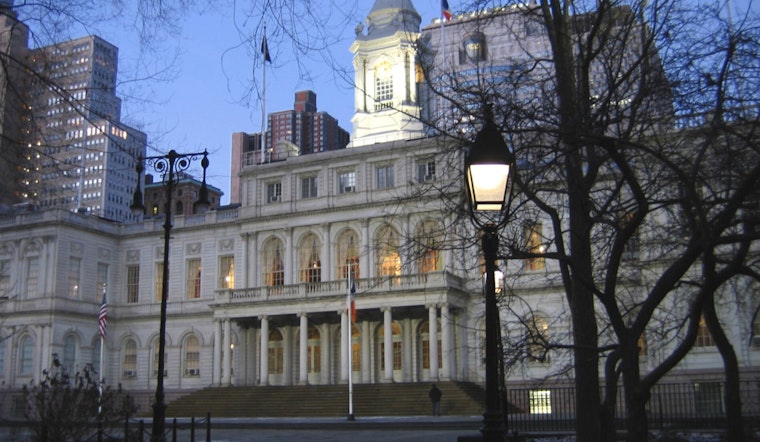
City Hall is putting the NYPD on the clock. The city announced Tuesday that most body-worn camera footage from critical incidents will now have to be released to the public within 30 calendar days. Mayor Zohran Mamdani and Police Commissioner Jessica Tisch cast the change as a formal promise of transparency, while also making body cameras standard gear for all uniformed officers below the rank of deputy inspector. The order also requires officers to switch on their cameras before taking authoritative action, officials said.
What the policy requires
According to the updated "Body Worn Cameras: Impact & Use Policy" from the NYPD, a "critical incident" includes uses of force that cause death or serious injury, discharges of a firearm that hit or could hit someone, and situations the commissioner decides are of vast public concern. The policy states that the department "decides when to publicly release BWC footage of a critical incident within 30 calendar days" and will post representative, redacted clips that show the key moments leading up to the incident.
The document also spells out how the NYPD will work with prosecutors. If a state or federal prosecutor opens an investigation, the NYPD must share relevant footage within 24 hours and alert prosecutors seven days before making any of that footage public.
Officials' pitch
At the Tuesday announcement, Mamdani said the new rules would "ensure that New Yorkers receive timely information about critical incidents," while Tisch described the 30-day deadline as "a continuation of my pledge to ensure transparency regarding the work of the Department," as reported by News 12 Bronx. City officials argued the policy essentially locks in practices that had often been followed under Tisch but were never written into department-wide rules.
They also stressed that the timeline is meant to balance public access with the need to protect ongoing investigations and individual privacy, trying to calm both those who want quicker disclosure and those who fear sensitive footage will spread too fast.
Why it matters
Advocates and watchdogs say the new clock tackles a long-standing sore spot. The NYPD has regularly taken months to respond to public records requests for body-cam footage. A review by the New York City Comptroller found that between 2020 and May 2025, the department took an average of 133 business days to either grant or deny body-cam Freedom of Information Law requests, with many cases dragging on for a year or longer.
That track record has left families and the wider public scrambling for video in high-profile encounters and has fueled demands for hard deadlines instead of open-ended waits.
Limits and legal questions
The new rules also spell out what the public may not see. Releases will often be redacted and may omit what the department describes as "extraneous or redundant" material, and courts or prosecutors can delay public posting, according to the NYPD. The department keeps the power to release "representative samples" instead of full, unedited recordings, though it must preserve the uncut footage for investigators and for use in criminal discovery.
Civilian oversight groups and privacy advocates have long warned that heavy redactions and carefully selected clips can take the edge off the transparency that body cameras were supposed to provide in the first place.
What comes next
City Hall and the NYPD say the new timeline is taking effect immediately, with footage from qualifying incidents expected to be posted in the coming days. Officials pointed to recent cases where earlier releases, in their view, helped the public understand what happened.
In a February transcript, the Mayor's Office said the administration would release body-worn camera footage from first-responding officers in relevant cases as part of an effort to "be clear with New Yorkers about the information that we have," according to the Mayor's Office. Oversight groups say the real test will be whether the NYPD actually hits the 30-day mark and whether what the public sees looks like full context or a tightly edited highlight reel.



