

























































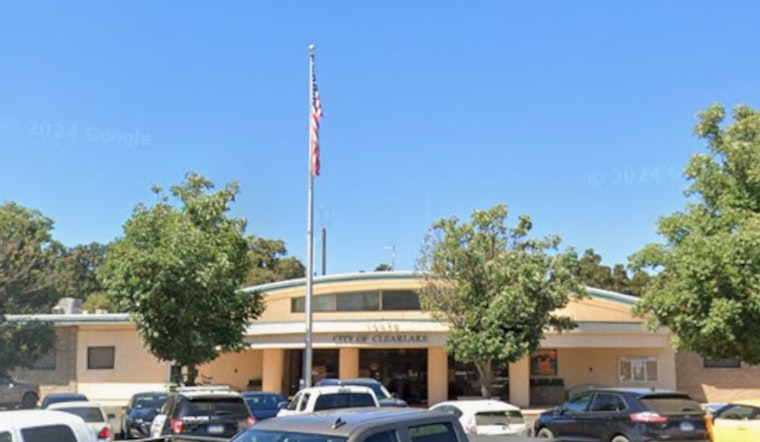
Nearly two months after a county-operated force main ruptured on Jan. 11, sending raw sewage across parts of northern Clearlake, many homeowners are still without safe well water. Some are relying on delivered water and temporary tanks just to get through the week. The spill contaminated yards and drainage ditches, triggering a local emergency declaration that remains in effect as cleanup and testing continue. Residents and local leaders say progress feels uneven, and communication about who can safely return to normal life is still murky.
What broke and how much spilled
A 16-inch sewer force main failed on Robin Lane on the morning of Jan. 11, releasing an estimated 2.9 million gallons of untreated wastewater into streets, drainage ditches, and nearby waterways, according to the City of Clearlake. The incident initially affected about 58 properties in the immediate spill area. As groundwater carried contamination farther than first expected, officials revised the map of concern to include more than 200 properties that rely on private wells.
Residents still waiting for water and answers
Local reporting indicates that water-tank installations and well-sanitization work have lagged behind the immediate needs of many households. Early in the response, fewer than a third of impacted homes had received tanks, and testing coverage remained partial, according to Lake County News. The monitoring area for private wells has been updated several times, but clear public data on how many wells are fully cleared for long-term use has not kept pace with residents’ demands for specifics.
City Manager Alan Flora told Lake County News that a sanitized well is considered cleared only after two negative test results taken 24 hours apart. The city has hired a hydrologist to study how contamination moved through the shallow aquifer. At recent town halls, impacted residents repeatedly pressed officials for a realistic timeline for well clearances and for faster delivery of water tanks.
County response: cleanup, testing and resources
County updates report that crews have carried out camera inspections, installed valves on auxiliary lines where possible, removed contaminated soil and applied agricultural lime in exposed areas as part of remediation. At the same time, officials are continuing well testing and water deliveries. The county has set up laundry and shower services and a bottled-water filling station, and has urged vulnerable residents to temporarily relocate until their wells are certified safe. Public health guidance and resource lists are provided in official county notices. According to Lake County Health Services, residents who develop gastrointestinal or skin symptoms are advised to seek medical attention.
Local television coverage this week shows homeowners still hauling water and waiting for permanent fixes, a visual reminder that the sewage spill is still shaping daily life in neighborhoods near Robin Lane. As reported by CBS San Francisco, officials warn that monitoring will stretch on for the long term and that future storms could remobilize contamination in shallow soils.
Officials say the response will involve months of ongoing monitoring, and residents are urged to use the city’s online portal or call Environmental Health at 707-263-1164 or Lake County Special Districts at 707-263-0119 to schedule well testing or request a water tank. Impacted families say they are still looking for clearer timelines and faster delivery of promised resources as the effort shifts from emergency repairs to long-term cleanup.





