

























































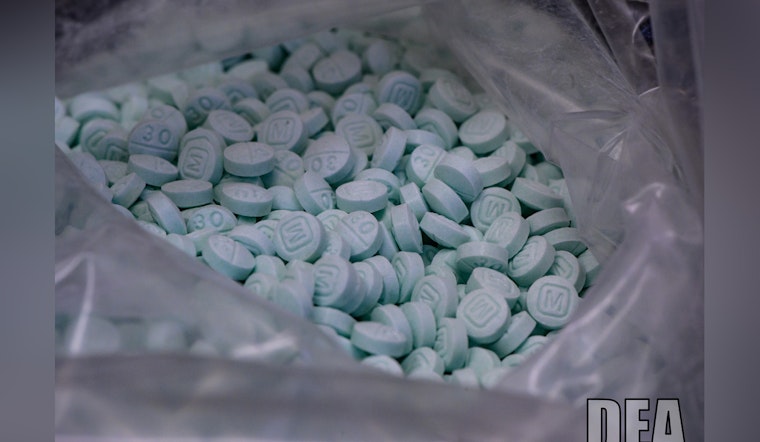
The Drug Enforcement Administration is shifting more boots and brains into Florida, moving personnel and reshuffling operations after law-enforcement pressure in other corridors pushed traffickers to reroute shipments through the state. Officials say the pivot has coincided with higher local cocaine prices and comes as the region continues to battle a deadly wave of fentanyl-linked overdoses. The retooling is raising fresh questions about how Washington will handle maritime patrols, port inspections, and day-to-day coordination with state and local partners.
Why DEA Is Rebalancing In Florida
As reported by CBS Miami, the DEA has started boosting agents and reorganizing operations across Florida after crackdowns along the southern border and in the Caribbean pushed traffickers to steer more drugs through South Florida. According to the station, those rerouted loads have helped drive up both wholesale and street prices for cocaine in parts of the state, prompting the agency to shift personnel toward key transit corridors.
Federal Seizures And Why Resources Are Shifting
Per a Department of Justice summary, recent DEA operations have yielded large seizures, including hundreds of thousands of pounds of cocaine and millions of fentanyl pills, along with more than 2,000 fentanyl-related arrests since early 2025. DOJ officials say those numbers highlight the scale of the trafficking problem and help justify reassigning agents to hot spots in Florida. The Justice Department released the summary in mid-2025.
Seizures At Sea
Maritime interdictions have become a recurring snapshot of the new routes. The U.S. Coast Guard reports that a November 2025 stop off Miami Beach led to the seizure of roughly 3,715 pounds of cocaine, described as one of the largest small-boat hauls in decades, and officials point to repeated coastal interceptions as evidence that traffickers are leaning more on sea routes. That operation brought together Coast Guard small-boat crews, CBP Air and Marine Operations and HSI, and federal agencies say it shows why more agents are being redirected to Florida ports and coastal zones. The U.S. Coast Guard laid out the interdiction in a December 2025 press release.
Why South Florida Remains A Target
Federal and regional reporting points to some familiar fundamentals. The HIDTA annual report notes that South Florida's tourism economy, major ports and proximity to Caribbean transshipment routes make it a preferred corridor for wholesale cocaine, and that gaps in maritime and intelligence coverage at critical transshipment points mean seizures likely undercount the true volume moving through. The report also flags that poly-drug trafficking, including combinations of cocaine and counterfeit fentanyl, is fueling overdose patterns across the region. The HIDTA annual report details the vulnerabilities and long-running trends.
Local Prosecutions And Next Steps
Federal prosecutors and local police say the crackdown is already touching major networks. In December 2025, the U.S. Attorney's Office for the Southern District of Florida unsealed a superseding indictment charging 24 defendants in a multi-kilogram cocaine conspiracy, underscoring investigators' view that organized shipments remain substantial. Prosecutors caution that while big seizures and headline-grabbing indictments can disrupt supply chains, officials also need public-health strategies and tight interagency intelligence sharing to reduce demand and limit deadly fentanyl exposure. U.S. Attorney's Office, Southern District of Florida announced the charges.





