

























































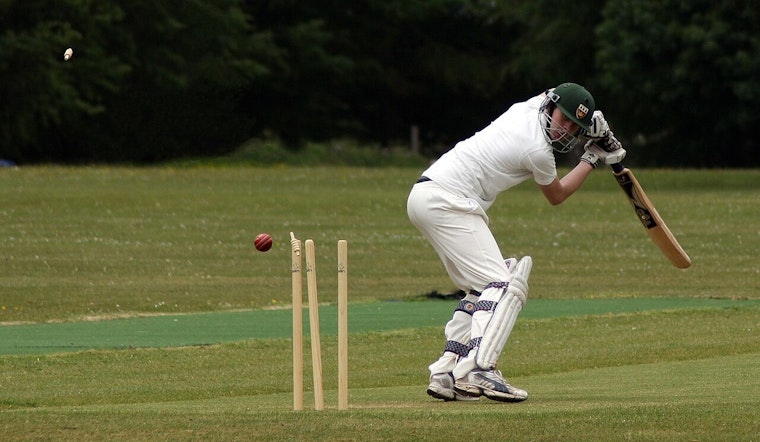
Cricket, long a weekend pastime in Minnesota’s immigrant communities, is knocking on the door of varsity status at public schools. Lawmakers at the Minnesota State Capitol are weighing a bipartisan bill that would require the Minnesota State High School League to sanction the sport as an official high school activity. The measure, introduced by Sen. Zach Duckworth, landed in front of a Senate education committee on Monday, with supporters arguing that the Twin Cities’ fast-growing cricket scene has outgrown pick-up status and is ready for school jerseys.
According to Axios Twin Cities, the bill would direct the MSHSL to formally add cricket to its list of sanctioned interscholastic activities while highlighting the sport’s rising popularity among students and families. Duckworth told colleagues he expects advocates to push both the legislation and the league’s internal review process to get games underway. MSHSL lobbyist Roger Aronson, however, urged lawmakers to let the league run cricket through its usual emerging-sport pathway instead of locking it in by statute.
What the Bill Would Require
The proposal spells out a step-by-step rollout in state law. It calls for the creation of a cricket advisory group, pilot programs in at least three schools during the 2025–2026 school year, wider expansion in 2026–2027, and completion of all the work needed to launch a regular league season before the 2027–2028 school year. Those specifics are laid out in the bill text, according to the Office of the Revisor of Statutes. The measure also tells the MSHSL to pick which season cricket will be played in and to finalize competition rules during the rollout.
Local Growth
Supporters told lawmakers that cricket is no longer a fringe hobby in Minnesota. Suryaprakash Ganesan testified that the state’s cricket community has grown to roughly 3,000 active players, while Minnesota Cricket Association president Ramesh Ailaveni said youth participation has jumped from about 20 to 30 players in the early 2010s to around 400 this year. Those figures, and the committee testimony, were reported by Axios Twin Cities. Advocates say shifting weekend club players onto school teams would finally give young cricketers a clear ladder in the sport.
Fields, Facilities and Youth Programs
The infrastructure is starting to catch up with interest. Cities across the Twin Cities suburbs have added dedicated cricket pitches and programming, while private indoor facilities in Minnetonka and Burnsville now offer year-round training so teams can stay active through Minnesota winters. The Star Tribune has documented new public pitches in suburbs including Plymouth, Brooklyn Park and Eden Prairie and detailed how a mix of city projects and private venues is expanding access. Local organizers say those fields and indoor spaces give schools more options for practices and matches.
National Momentum and the Olympics
Minnesota’s debate is unfolding as cricket enjoys a broader lift in profile across the United States. Professional T20 competition and new international events have helped the sport break through to a wider audience, and the launch of Major League Cricket in 2023 created a bigger domestic spotlight, as reported by AP News. Cricket is also set to return to the Olympic program at the Los Angeles Games in 2028 as a T20 event, with the International Cricket Council selecting the Pomona Fairgrounds as the LA28 venue. Supporters in Minnesota say that pipeline, from youth leagues to pro teams and the Olympics, bolsters their argument for fully sanctioned high school play.
Hurdles and the Legislative Path
Turning cricket into a sanctioned high school sport will not be as simple as chalking a pitch. The bill has been sent to education policy, and the Senate version was laid over for possible inclusion in a broader education package, according to its official status. On the league side, the MSHSL handbook outlines how advisory committees and the representative assembly vet and approve changes to sponsored activities, a process that can stretch across multiple seasons and depends on buy-in from member schools. That mix of legislative timing and internal league review means cricket backers will be working more than one angle.
Whether the sport gets the green light through state statute or through the MSHSL’s emerging-sport process, advocates say they plan to keep building out teams, youth programming and facilities so there is enough participation and infrastructure to support a durable high school cricket season. Lawmakers and organizers alike will be watching the pilot year closely to see whether school interest, field access and scheduling realities line up with the timelines written into the bill.





