

























































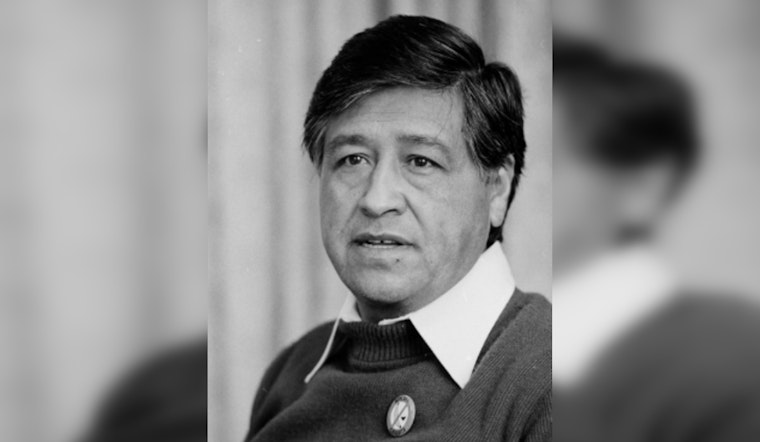
Two schools in the D.C. region are suddenly rethinking the once-revered name on their front doors after a high-profile investigation alleged that Cesar Chavez sexually abused women and girls. Cesar Chavez Public Charter School for Public Policy in Southeast D.C. says its board will “thoughtfully consider” a name change, and Prince George’s County Public Schools is reviewing what to do about César Chávez Dual Spanish Immersion in Hyattsville. The revelations have pushed local leaders, universities and labor groups across the country to reexamine who they honor on schools, streets and memorials.
The charter school posted a statement on March 19 saying, “The news reports about Cesar Chavez and his abuse of women and underage minors are deeply shocking and incredibly disappointing,” according to Cesar Chavez Public Charter School for Public Policy. WTOP reported that Prince George’s County officials called the allegations “deeply troubling” and said the district is evaluating whether the Hyattsville school should keep its current name. The reporting that set off this wave of reconsideration was published by The New York Times, which detailed accusations spanning from the 1960s through the 1980s.
How Prince George’s Handles A Name Change
Prince George’s County uses a formal, somewhat bureaucratic process to rename a school. It starts with a Naming Committee that includes students, staff, parents and community members. That group draws up three proposed names and sends them to a Naming Commission, which reviews the options before the superintendent forwards recommendations to the school board. The district’s administrative procedure spells out who can be honored, how the committees are formed and what criteria they use. Prince George's County Public Schools explains those steps and criteria, and the district’s school profile notes that César Chávez Dual Spanish Immersion is a K–5 campus at 6609 Riggs Road in Hyattsville.
How Charter Renaming Works In D.C.
In the District, charter schools cannot simply swap the sign on the building and call it a day. To change a campus or facility name, they must file a charter amendment that triggers a public comment period along with a review and vote by the District of Columbia Public Charter School Board. The board treats a campus name change as a non-mission-critical amendment, but schools still have to follow the rules for notification, filing and public engagement. District of Columbia Public Charter School Board guidance lays out the procedural steps schools must complete before they can roll out a new name.
National Ripple Effect
The New York Times investigation has sparked a rapid reassessment far beyond the D.C. suburbs. Some universities and cities have covered or taken down Chavez statues, community events have been postponed, and unions and local governments are reviewing whether Chavez should remain an honoree. The Associated Press catalogued dozens of places in at least 19 states where Chavez’s name adorns public buildings, parks and schools, and reported that officials in many of those locations are weighing removals or renamings.
What Comes Next For The Local Schools
For now, education leaders in D.C. and Prince George’s are stressing that any decision will run through the usual committees and public engagement, not a quick overnight rebrand. Renaming can stretch over months, with community meetings, formal recommendations and final board votes built into the process, and officials say they have not yet decided whether to pursue a change. As WTOP and district materials note, the review work is just getting underway and the public will be updated as committees convene and recommendations advance.
In the meantime, both schools join a fast-growing list of institutions wrestling with whether historic names still belong on their buildings when the people behind them face serious allegations, and leaders say they plan to keep students and families at the center of that conversation.




