

























































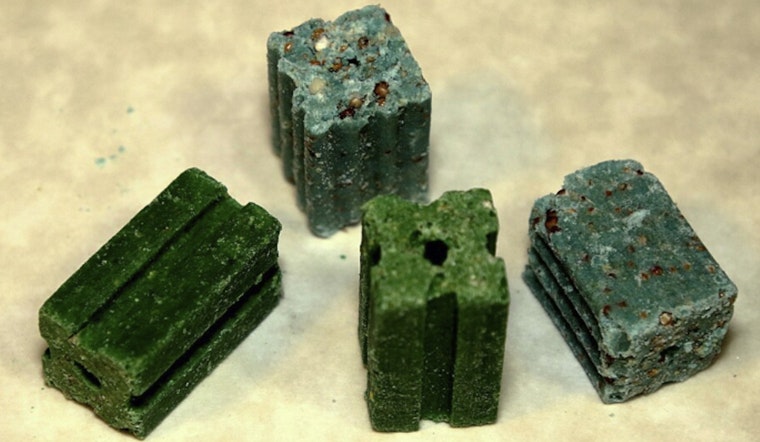
Dead birds turning up along a St. Johns River tributary are rattling a corner of Jacksonville that is used to seeing eagles soar, not collapse. Volunteers with the Eagle Watch Society say they have found multiple dead birds along the Ortega River in recent days and suspect anticoagulant rodenticides are the culprit. The finds have alarmed local bird-watchers and waterfront residents who regularly spot eagles and other raptors along the waterway, after volunteers reported carcasses and weak birds on several stretches of the riverbank.
According to Action News Jax, Eagle Watch Society volunteers attributed the deaths to rodenticides and alerted wildlife authorities. The station reported that the birds were discovered during routine shoreline patrols and that volunteers quickly raised alarms about secondary poisoning moving up the food chain. Action News Jax also noted that the group has shared its observations with local officials while the neighborhood waits to see whether formal testing will be done.
Why rodenticides are deadly
Anticoagulant rodenticides interfere with blood clotting, which means poisoned animals can slowly bleed to death internally. Predators and scavengers that eat poisoned rodents can be hit days or weeks after the bait was first put out, creating a ticking time bomb in the local food web. The Florida Fish and Wildlife Conservation Commission reports that between 2014 and 2018, researchers detected anticoagulant exposure in 96 of 116 deceased bald eagles that were tested, a stark snapshot of the broader risk to raptors across the state. The agency urges residents to report injured or dead raptors and to contact its Wildlife Alert hotline if they suspect illegal activity.
Regulatory context
The federal government has been taking a harder look at the most potent second-generation anticoagulant rodenticides, which linger in animal tissues and pose an outsized threat to non-target wildlife, according to the U.S. Environmental Protection Agency. As part of its safety review, the EPA has proposed restrictions that would limit certain second-generation products to certified applicators and tighten bait-station and packaging requirements to reduce unintended exposure. The idea is to cut down the chances that predators and scavengers will ingest lethal residues when they feed on poisoned prey.
Not an isolated problem
Wildlife advocates say what is happening on the Ortega River sounds all too familiar. Across Florida, rehabbers and volunteers report treating or documenting dozens of raptors with symptoms consistent with anticoagulant exposure. In a 2024 case that drew statewide attention, volunteers and rescuers in Oldsmar reported missing and dead eagles that local advocates suspected were victims of secondary poisoning, as reported by FOX 13 Tampa Bay. Rehabbers emphasize that necropsies and laboratory testing are required to confirm rodenticide poisoning and have pushed for more consistent carcass collection and testing whenever dead birds are found.
How residents can help
Conservation groups and state officials are quick to point out that everyday pest control does not have to come at the expense of birds of prey. They recommend avoiding broad-spectrum poisons when possible and instead turning to trapping, exclusion techniques and other targeted control measures. If chemicals are necessary, they advise using tamper-resistant bait stations and the smallest effective amounts. The Audubon's EagleWatch program encourages volunteers and residents to log nest activity and unusual mortalities, then share those details with authorities so officials can investigate and, when appropriate, test carcasses. If you encounter a sick or dead raptor, the Florida Fish and Wildlife Conservation Commission recommends calling its Wildlife Alert hotline at 888-404-3922 and avoiding direct contact with the animal.
Volunteers told reporters they plan to keep patrolling the Ortega River while wildlife officials examine the reports and pursue testing where they can, according to Action News Jax. For a community that prizes its riverside eagles and owls, the episode is a stark reminder that seemingly routine pest-control decisions can ripple up the food chain and threaten the birds that help define Jacksonville's waterfront identity.





