

























































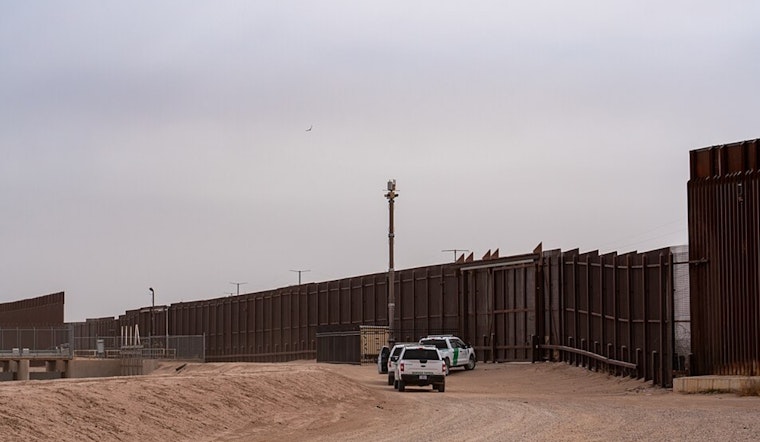
El Paso's migrant shelters and aid networks have quietly flipped their playbook, shifting from sheltering people who hoped to cross into the U.S. to helping them plant semi-permanent roots just south of the border. Since the Trump administration moved to pause asylum claims at the U.S.-Mexico line shortly after he took office, thousands of people who once camped at ports of entry or stayed in shelter beds now find themselves stuck between governments and charity. The change has forced shelter operators and volunteer groups to rewrite budgets, shorten stays, and seek housing and job opportunities in Mexican border cities.
As reported by CENLA Now, the president's pause left "thousands" stranded at crossings and turned some area shelters into "ghost towns." César Barranco, who runs Casa del Migrante, told CENLA Now the shelter "had to restructure assistance and length of stay" to cope with the shift in demand. Local advocates also say they have repurposed funds for meals and rent to help migrants find jobs and secure semi-permanent housing across the border.
National Fallout And Policy Context
Nationally, the move to halt many asylum decisions has left an estimated 1.5 million pending cases in limbo and prompted urgent legal and advocacy responses, according to The Guardian. Advocates told The Guardian the pause exacerbated already serious backlogs and pushed some migrants into the margins rather than into formal shelters. That uncertainty sits at the root of the local strategy shift: instead of waiting on U.S. hearings that may never come, groups are investing in livelihoods that keep people safe and self-sufficient in Mexican border towns.
Why Groups Are Helping Migrants Find Work In Mexico
Advocates say the pivot also responds to new federal proposals that would make it harder for asylum applicants to obtain U.S. work authorization. As reported by CBS News, a February rulemaking would suspend many asylum-related work permits until average processing times fall to 180 days, a threshold the government itself said could take years to reach. With legal pathways to work narrowing, nonprofits say it is more humane to help people rent rooms, find temporary jobs and enroll children in schools across the border than to leave them without income while they wait.
Voices On The Ground
On the ground, migrants describe a collapse of trust and a growing fear of turning themselves in to U.S. authorities. "They fear surrendering to U.S. authorities because their claims may not be heard or families may be separated," a local advocate told CENLA Now. Those fears, advocates say, help explain why once-busy shelters now have fewer overnight guests and why aid groups are leaning into legal orientation and cross-border housing partnerships.
Legal Fallout And What Advocates Want
Advocacy groups have not only shifted services but also pressed the courts and lawmakers for a fix. The Hope Border Institute framed the administration's measures as policy-driven harm in an event titled "Cruelty as Policy," according to an event listing reviewed by immigration watcher Adam Isacson. National outlets and legal advocates have warned that any formal, long-term barring of asylum could prompt litigation and increased scrutiny of expedited removals, a point noted by The Guardian.
For now, local shelters say they will keep improvising: shorter stays, more day services and more help on the Mexican side of the line. Advocates and legal aid groups say they will keep pushing for clearer federal guidance and for a return to asylum processing that lets people seek safety without becoming trapped on either side of the border. Whatever happens next, the pause has already reshaped migration aid in El Paso and may set a template for other border towns.



_in_El_Paso,_Texas.jpg)