

























































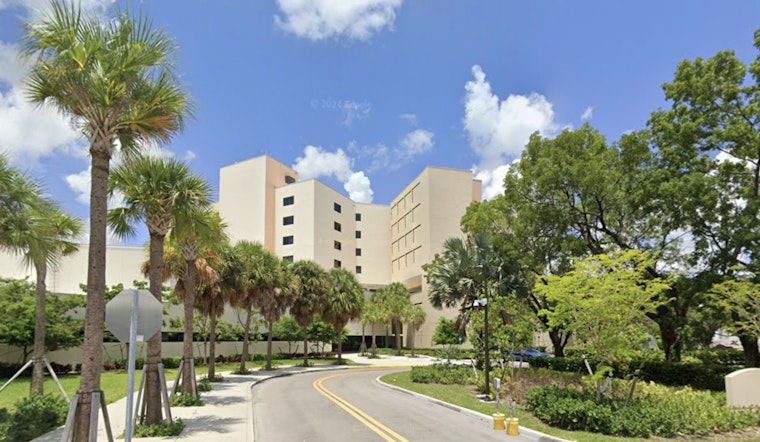
The long awaited Miami Center for Mental Health and Recovery, a seven story county building wedged between Wynwood and Allapattah, is still sitting empty after an extensive renovation, even as local leaders clamor to get services started. Retired Miami Dade Judge Steve Leifman, who championed the project for years, has been pushing to get the facility opened as a diversionary treatment hub. This week, the fight over who will run the center sharpened when a private operator jumped in with a formal competing proposal.
That competing bid came from Recovery Solutions, a Nashville based behavioral health operator that says it operates in 11 states and has offered to run the site as a 58 bed facility with an estimated first year cost of about $14 million, as reported by The Miami Herald. On its own website, Recovery Solutions details its inpatient and residential experience and nationwide footprint. Public lobbying records also show the company has engaged The Southern Group, where former state Sen. Oscar Braynon is listed, to represent policy interests around the proposal, according to Lobbylinx.
Two competing operating models
In 2024, commissioners instructed the mayor to negotiate operating agreements with a Village South and Advocate Program and WestCare team to run an initial 75 bed phase, a model supporters say would get services off the ground while outside grants cover startup costs, according to Local 10. Leifman and other advocates argue the larger, county backed approach would divert people with serious mental illness from jails and emergency rooms and could save money over time. Recovery Solutions’ pitch shrinks the bed count and proposes a different staffing and cost mix, forcing commissioners to weigh two very different blueprints for how the center would actually run.
The money question
Budget projections sit at the heart of the standoff. County staff and the mayor’s office have forecast that annual operating costs could reach roughly $24 million, while the county has earmarked about $10 million a year, leaving a sizable gap that would need state, federal or other support, as reported by The Miami Herald. One time federal grants and opioid settlement funds could underwrite a two to three year pilot, but officials warn those sources would eventually expire and expose a structural shortfall unless the commission commits ongoing funding. That arithmetic is a key reason several commissioners are demanding a workshop and more detail before they sign off on any operating agreements.
What comes next
The item was deferred in committee this month after commissioners called for a workshop and more community input before sending it to the full board, Local 10 reported. Leifman and his allies say they believe they can secure approval from the full commission if the proposal gets to the floor, but first they have to clear the committee hurdle. In the meantime, the center could remain closed for weeks while negotiations over funding levels and contracts drag on.
For neighbors and advocates, the stakes are concrete. The seven story building at 2200 NW Seventh Ave. went through a roughly $50 million county funded renovation and is ready for occupancy but not yet open, Miami Today reported. Supporters say the county now faces a stark choice between moving ahead quickly with a vetted operator and starting treatment, or keeping the facility idle while leaders chase a long term financing solution.





