

























































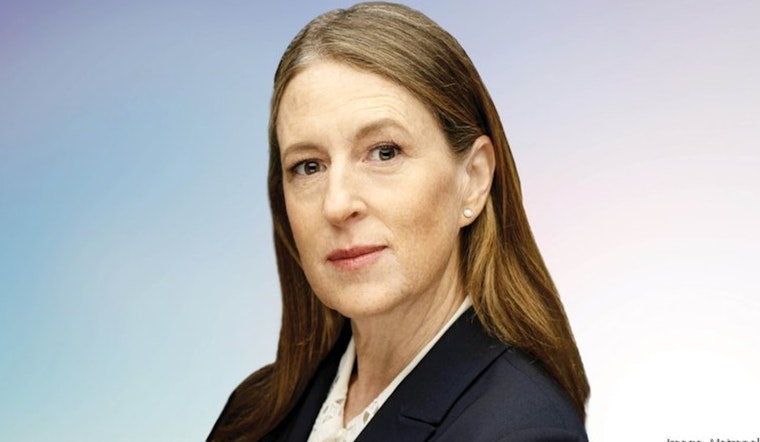
Robin Hutcheson, a transportation veteran with years of federal and city-level experience, has taken over as chair of the Metropolitan Council, the regional body that runs Metro Transit, treats wastewater and funds regional parks and affordable housing across the seven-county Twin Cities area. The job puts her in charge of nearly 4,700 employees and an operating budget of roughly $1.8 billion, with direct oversight of several major transit corridors now shifting from planning into construction. Her arrival brings a deep federal policy résumé to a council that has been facing heightened public and legislative scrutiny in recent months.
Gov. Tim Walz appointed Hutcheson late last year and she started work Dec. 1, a move announced by the governor’s office and covered by local business outlets. In his statement, Walz called her a “proven leader” with a strong record on roadway safety and infrastructure, praise that helped set the tone for her return to the regional stage. Her appointment and profile also landed in the Minneapolis/St. Paul Business Journal’s Power Shift 25 series, a nod that signals how closely local insiders are watching her next moves. Minneapolis/St. Paul Business Journal
Federal résumé, local stakes
Before stepping into the Met Council role, Hutcheson held senior posts at the U.S. Department of Transportation and served as the Senate-confirmed administrator of the Federal Motor Carrier Safety Administration. In that job, the agency credits her with helping advance the National Roadway Safety Strategy and securing billions in infrastructure funding, work that quietly shaped how money flowed to projects nationwide. Those accomplishments were highlighted in an FMCSA statement when she left the federal government. FMCSA
Her return to Minnesota came after a stint as a senior fellow and advisor at the University of Minnesota’s Center for Transportation Studies, where she focused on freight, safety and urban mobility. That academic-policy hybrid role gave her a front-row seat to how global logistics and local streets collide - experience that now follows her into debates over buses, trains and regional traffic. University of Minnesota CTS
Big projects, a heavy ledger
The Met Council’s 2026 budget documents lay out about $1.8 billion in sources and uses, along with projected staffing that approaches 4,700 employees as the agency ramps up work on transit, wastewater and housing. That operating plan, along with new metropolitan sales tax dollars that help pay for it, will shape how Hutcheson sequences major capital projects and day-to-day operations. Metropolitan Council budget summary
The council’s member page also lists a series of corridor and project boards Hutcheson now chairs or oversees, including committees linked to the METRO Blue and Green Line extensions and other transitway decisions. Each of those boards carries its own timeline, politics and price tag, which means her calendar is likely to be as packed as the trains and buses she is tasked with improving. Metropolitan Council biography
What leaders and auditors will be watching
Local officials largely framed the pick as a practical, get-things-done choice. Minneapolis Mayor Jacob Frey called Hutcheson someone "local governments can count on to work collaboratively," according to reporting in the Star Tribune, signaling city halls around the region are hoping for fewer turf battles and more coordinated problem-solving.
At the same time, recent Met Council audits that flagged problems with third-party grant management have raised the stakes on transparency and internal controls. Coverage of those audits, and the ongoing questions about how grants and big projects are overseen, help explain why Hutcheson’s early months will be watched closely by both elected officials and regular riders. Star Tribune audit reporting
Hutcheson’s assignment now is twofold: keep the trains and buses running, and make sure landmark projects open on time and on budget, or at least come with a clear, credible explanation when they do not. Her federal background gives her a network and policy playbook that could streamline grant work and federal reviews, but local observers say the real scorecard will be timely, transparent reporting and visible progress on transit corridors and housing investments. For anyone following what comes next, the Met Council’s budget documents and regional profiles double as a user manual for how this powerful, often opaque agency plans to move the Twin Cities forward.





