

























































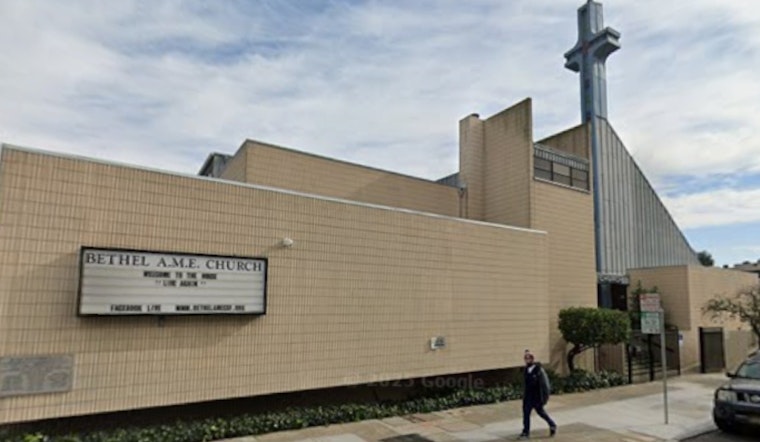
In San Francisco’s Fillmore District, tenants in church-owned apartment buildings say they are stuck with mold, asbestos warnings, broken locks and repeated safety incidents, while decisions on security and basic upkeep seem to run through a single, tightly held network. Residents and former board members describe a closed loop of nonprofits and companies that, in their view, channels federal housing dollars and lucrative security contracts to a firm tied to the church’s lay steward.
As reported by The San Francisco Standard, longtime Bethel AME lay steward Bobby Sisk sits atop a web of nonprofits that own four low-income complexes in the Fillmore, roughly 360 units with an assessed value pegged at more than $60 million, and those organizations have repeatedly hired W.S.B. & Associates, a security firm Sisk owns. Public records and audits have scrutinized the arrangement, and current and former board members told reporters the governance feels unusually centralized around one figure. Tenants say that structure helps explain the gap they see between the church’s public mission and the conditions inside the buildings it controls.
Tenants Describe Years Of Deferred Maintenance
Residents at Thomas Paine Square and nearby properties say mold and asbestos warnings, peeling paint and unreliable heat have lingered for years, according to reporting by Mission Local. Tenants formed an association in 2021 after repeated attempts to get repairs from property managers went nowhere, and they say that escalating complaints to the church, to management and to city offices has brought only short bursts of attention, not lasting fixes. Organizers and advocates say seniors and families absorb the worst of those lapses.
Security Spending And A Violent Incident
Security is another sore spot. Reporting from The San Francisco Standard detailed a January assault that left a tenant hospitalized and included multiple tenant accounts of guards parked in booths instead of walking the grounds. The Standard also found that Allen Community Development Corporation, one of the church-linked nonprofits that oversee the properties, reported more than $650,000 in security contract expenses in 2023, even as some guards say they earn near the city minimum wage.
Property Records And Federal Ties
Public property databases and HUD listings show Thomas Paine Square as a HUD-subsidized multifamily site at 1086 Golden Gate Ave., with roughly 90 to 100 assisted units, and the complex appears in federal inspection and contract records compiled by ProPublica. Tenants and tenant-rights groups say those federal subsidies should come with clearer accountability, yet the mix of church ownership, separate nonprofit boards and outside property managers can make it surprisingly hard to pin down who is actually responsible for repairs and safety.
Legal And Oversight Questions
Past audits and public documents cited by reporters flagged significant city and federal payments that moved through church-connected entities and questioned whether contracts were competitively bid. A church-commissioned internal audit, subsequent court filings and a defamation suit filed in 2016 highlight how long governance fights have swirled around this housing portfolio. Nonprofit ethics experts told reporters that steering contracts to an affiliated company is the kind of conflict-of-interest risk that usually demands stronger, more transparent controls.
What Tenants Are Asking For
Tenant organizers are calling for independent inspections, a new on-site management team and a clear accounting of how federal rent subsidies are used, demands that have been documented in reporting and raised directly with city officials. As Mission Local reported, residents have met with the District 5 supervisor’s office and built out their tenants association, yet they say they are still waiting for meaningful changes from the church and its managers.
Bethel AME lists contact details for church leadership, but reporting found the church and several companies tied to the housing portfolio did not provide substantive responses to requests for comment. Tenants say they plan to keep leaning on elected officials, housing advocates and federal watchdogs until repairs are made and safer conditions are visible in the place they call home.





