

























































Florida lawmakers have signed off on a sweeping expansion of the state’s public-nuisance law that zeroes in on gambling houses and properties tied to repeat illegal activity. The plan, packaged as Senate Bill 168, would let local governments slap steeper fines on owners, record liens, and, in some cases, force foreclosure on problem spots. The measure now heads to the governor and would kick in on July 1, 2026, if signed.
SB 168 tweaks the existing nuisance statute that already lets counties and cities go after locations used for prostitution, drug dealing, or other crimes, and it explicitly adds any place used more than twice within 12 months as a gambling house, according to the Florida Senate. The bill also scraps the current $15,000 cap on total fines and clears the way for local ordinances to stack on attorney fees and other costs.
The measure sailed through both chambers without a single no vote and is now on its way to Gov. Ron DeSantis, ClickOrlando reports. If he signs it, counties and cities would get broader authority to use administrative nuisance-abatement proceedings instead of relying only on criminal prosecutions to shut chronic offenders down.
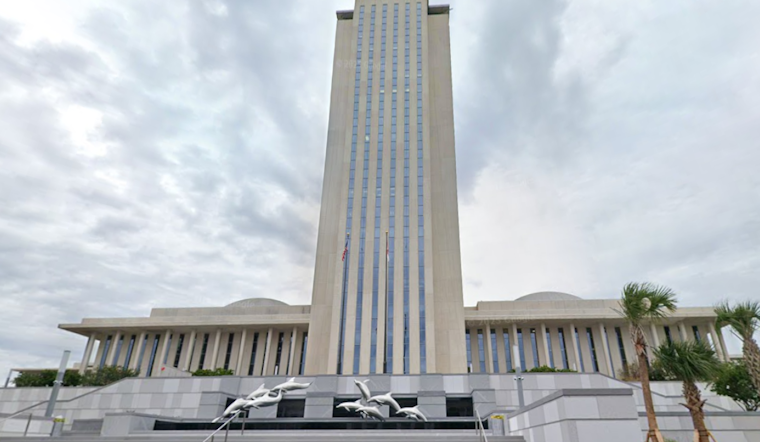
Supporters are pointing to a run of recent gambling busts as Exhibit A. During the March 2025 “Operation Westside” crackdown near the state Capitol, law enforcement officers seized about $92,000 in cash and 401 illegal gambling machines, evidence lawmakers say helped fuel the push for tougher tools. Florida Politics reviewed the raids and law-enforcement statements that followed.
What the bill lets cities do
Under SB 168, local nuisance-abatement boards could bump daily fines up to $500 if a problem drags on for more than a year, record abatement orders as liens on the property, and keep jurisdiction over the site in one-year increments until the nuisance is actually resolved. The bill authorizes foreclosure on liens that sit unpaid for three months and requires foreclosure if the nuisance is still ongoing after two years, while continuing to bar foreclosure on homestead properties, per the Florida Senate. It also requires boards to award fees for nonclerical legal assistants whenever local ordinances already allow for attorney fees.
Supporters, skeptics and local law enforcement
Backers argue that expanding the definition of a nuisance and stiffening the penalties gives prosecutors and local boards a faster administrative lane to shut down repeat offenders without waiting for criminal convictions. Law-enforcement boosters have long wanted stronger civil remedies: Orange County officials and other agencies said small misdemeanor fines do not scare operators straight, with Sheriff John Mina remarking, “They don’t care about the little $500 fine,” according to Orlando Weekly. Critics counter that the broadened powers could invite aggressive civil enforcement and spark legal battles over property rights and protections for tenants.
From here, it is mostly procedural: the bill is parked on the governor’s desk, and local governments can start combing through their nuisance ordinances to get ready for the new playbook. If it becomes law, SB 168’s July 1, effective date gives counties and cities a little over three months to adjust before the changes bite, ClickOrlando notes. Expect municipal attorneys, property owners, and a few determined gambling-house operators to be watching closely as the first test cases land in front of county nuisance-abatement boards.





