

























































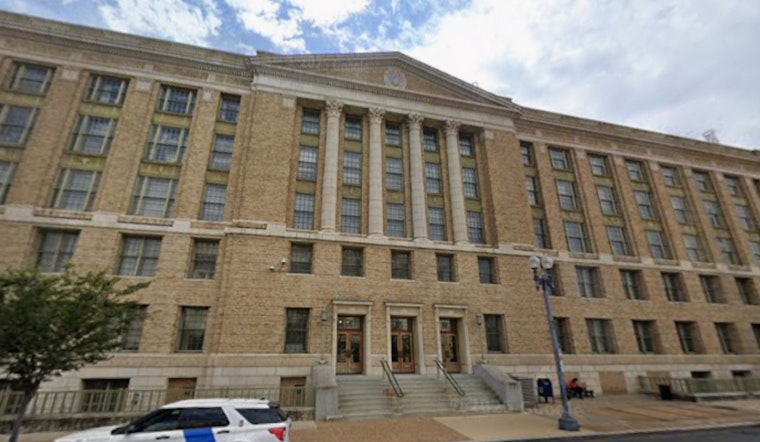
The U.S. Forest Service is uprooting its headquarters from Washington, D.C., and planting it in Salt Lake City, part of a broad shakeup that aims to put top brass closer to the public lands they oversee. The agency says it is stepping away from its long-running regional setup and moving to a state-centered model that scatters senior leadership across the country. Utah officials are cheering, while conservation advocates and some Forest Service insiders are already bracing for what the shift could mean for research, wildfire response and project reviews.
In announcing the move, the agency cast the overhaul as a way to bring leadership "closer to the forests and communities it serves," according to KUTV. Utah Gov. Spencer Cox called the decision "a big win for Utah and the West," pointing out that most Forest Service land sits west of the Mississippi River. Under the new setup, the Forest Service says it will install 15 state directors nationwide, each backed by a small in-state support team that handles legislative affairs, communications and coordination with other governments.
How the new structure will work
The overhaul scraps the long-standing nine-region system in favor of a state-focused approach where directors are responsible for one or more states and report through a tighter chain of command. The plan builds on a U.S. Department of Agriculture blueprint released in 2025 that proposed shifting many Washington-area functions into five regional hubs, including Salt Lake City, as part of a larger decentralization push. Civil Eats first reported that the earlier memo and the list of proposed hub cities.
Why Utah pushed for this
Utah has been steadily tightening its relationship with the Forest Service. In January, Gov. Cox and Forest Service Chief Tom Schultz inked a 20-year cooperative agreement aimed at speeding up wildfire mitigation, timber work and watershed projects across the state, according to Deseret News and a governor’s office release. Supporters argue the deal will make it easier to move ahead with fuel treatments and local restoration projects. Conservation groups counter that expanding state influence risks weakening environmental review and public oversight.
What’s next for employees and communities
Forest Service leaders say employees and partners will get more details as the transition unfolds, describing the goal as building a Service that is "nimble, efficient, effective and closer to forests and communities," per KUTV. The rollout could take months or even years, and it may ripple through research stations and existing regional offices. Earlier reporting on the broader USDA reorganization has flagged worries about disruptions to research collaborations and staffing. Montana Free Press detailed how the July 2025 plan would gradually shut down the nine regional offices and consolidate many functions in a small number of hubs.
Nationally, the Salt Lake City headquarters decision is being watched as an early test of the USDA’s larger bid to move more functions out of Washington. Supporters say localizing decisions can make agencies more responsive to communities on the ground, while critics warn that the churn risks draining institutional knowledge. Coverage by Civil Eats and other regional outlets on the earlier reorganization plan suggests this move is one more chapter, and likely not the last, in a sweeping remake of how federal land agencies do business.





