

























































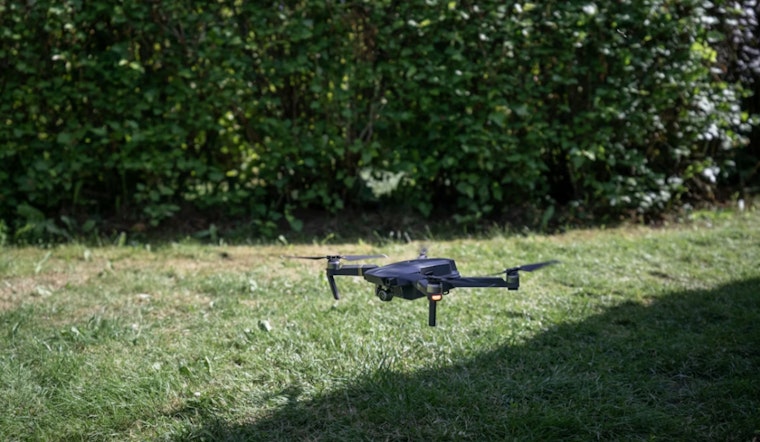
The French Quarter Management District's security and enforcement committee has signed off on $250,000 to help the New Orleans Police Department buy a single drone and a docking station, a trimmed-down slice of the $740,000 package the department originally wanted. Supporters say a docked drone could give officers fast, bird's-eye views of chaotic scenes in the Quarter. Opponents warn it is one more step toward round-the-clock surveillance, with all the familiar worries about racial bias and cooperation with federal immigration authorities. The committee's vote now pushes the proposal to the district's finance committee and then the full board, keeping alive a citywide debate over whether drones should automatically launch on some 911 calls.
Committee Signs Off On A Pilot
The committee agreed to fund a single drone and its docking station, not the larger multi-drone fleet police first pitched. An earlier request sought $740,000 to buy three or four drones, as reported by The Times-Picayune. The scaled-back award now heads to the FQMD finance committee before the full board takes a final vote on the pilot.
What Police Say
NOPD leaders are selling the expansion as a way to stretch thin patrol resources and keep officers safer. 8th District Capt. Samuel Palumbo told The Times-Picayune the money would let the department keep "drones on standby 24 hours a day, seven days a week," adding that other partners have agreed to help underwrite a wider program. NOPD Superintendent Anne Kirkpatrick has said she is "very excited" about the technology and that it would let police "chase you smarter." The department already has about nine drones, but its current setup typically needs two pilots on site for each launch, which limits how often they can be used.
Jefferson Parish Shows The Pitch
Supporters like to point across the parish line. This winter, Jefferson Parish rolled out a Drone-as-First-Responder program that officials say has shaved crucial minutes off response times. 23 docked drones were deployed as part of an initiative that cost about $1.5 million and has been credited with faster scene arrivals and a number of arrests. Parish officials have stressed that their system does not use facial-recognition technology and that its footage is handled under retention rules similar to body-camera video.
National Trend And The Tech Behind It
The "drone as first responder" model is catching on across the country. The Washington Post has documented dozens of municipal programs that send drones to 911 scenes in a matter of minutes. Many agencies are buying Skydio aircraft and rooftop docking stations that allow remote launches. Skydio has promoted shielded, beyond-visual-line-of-sight operations that cut down on the need for on-site pilots. Vendors and some police chiefs argue the systems boost situational awareness and can de-escalate tense encounters. Civil-liberties advocates counter that the technology tends to move much faster than the rules meant to keep it in check.
Legal And Privacy Questions
Privacy advocates and civil-rights groups have been sounding alarms, warning that drones can quietly turn into a semi-permanent surveillance layer over everyday life. The Lens has traced the city's 2022 surveillance ordinance and the long-running fight over facial-recognition tools. The ACLU has pushed for strict moratoria and tough oversight after reporting exposed secretive uses of live facial recognition. Critics say any drone expansion should come with detailed public reporting, independent audits, and firm limits on data sharing with federal agencies.
What Comes Next
The reduced $250,000 approval reflects both political pressure and a desire to test the hardware in a dense, tourist-heavy neighborhood, lawmakers said, according to Axios New Orleans. The finance committee will now decide whether to recommend the pilot to the full board. Any broader, citywide rollout would still need fresh funding and formal oversight measures. If the board signs off, officials say the French Quarter pilot would be the first step toward making docked drones a standard tool for certain emergency responses in New Orleans.





