

























































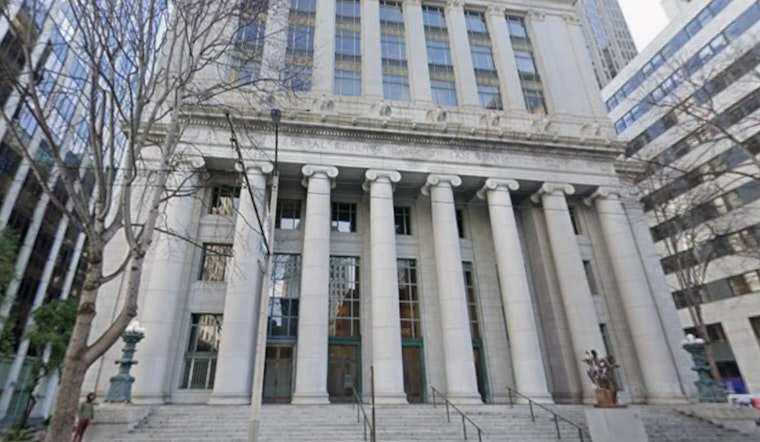
Mack Real Estate Group has put a $100 million nonperforming loan on the block, and it happens to be tied to one of downtown San Francisco’s most recognizable buildings: the Bently Reserve, the former Federal Reserve Bank at 301 Battery Street in the Financial District. The roughly 208,000-square-foot property has stumbled in its post-pandemic leasing efforts, turning what was once a blue-chip showpiece into a distressed-debt opportunity. CBRE has been tapped to market the note as would-be buyers mull whether to purchase the loan, push a foreclosure, or negotiate a deed-in-lieu to grab the keys.
According to Bisnow, Mack has enlisted CBRE to bring the $100 million nonperforming loan to investors and is pitching it squarely to the debt crowd. Local reporting cited by the marketplace indicates the note could be offered around $90 million, a level that would peg the building’s value well below its 2020 assessment. That discount is part of the draw, since the asset mixes headline-worthy architecture with plenty of question marks around near-term leasing.
The loan originates from Mack’s financing of RFR Realty’s February 2020 purchase of the property, when RFR paid about $143 million, according to The Real Deal. The timing could hardly have been worse: the deal closed just ahead of pandemic lockdowns that gutted downtown office demand, and RFR’s plans to reposition the building never fully took shape. As leasing activity dried up across much of the Financial District, the financing was left increasingly exposed.
Historic Shell, Modern Headaches
Completed in 1924, the landmark building greets Sansome Street with an entrance lined by eight 25-foot marble columns and served as the Federal Reserve Bank of San Francisco for more than sixty years, Bisnow reports. Bently Holdings bought the property in 2005 for about $46.8 million and later poured roughly $35 million into converting the former banking hall into the Bently Reserve events venue, which has since shut down. Those dramatic interior spaces keep options open for adaptive reuse, but they also tend to make renovations pricier and more complicated than a straightforward rebuild for conventional office tenants.
How a Buyer Could Take Control
A buyer that picks up the note can move to foreclose, hold the nonperforming debt as-is, or try to strike a deed-in-lieu agreement with RFR to assume ownership, The Real Deal explains. One source cited in local reporting suggested the debt may be offered near $90 million, which would imply a valuation in the low-to-mid $400s per square foot for the roughly 208,000-square-foot building. For opportunistic investors, that pricing range leaves room for upside if the broader downtown recovery continues to gather steam.
Where This Fits in the Rebound
Market data show that San Francisco’s office demand has jumped recently, helped along by new leases from AI and tech players, according to VTS metrics reported via Business Wire. The comeback, however, has been patchy, leaving older and less flexible buildings especially prone to distress and fueling a wave of loan sales. For anyone eyeing 301 Battery, the deal is both a wager on the Financial District’s future and a heavy lift on the repositioning front.
How Mack’s sale effort plays out will be closely watched as a barometer of how lenders are marking San Francisco office assets in this cycle. Whether the note changes hands, gets reworked with RFR, or ultimately results in a title transfer, the outcome will add a fresh data point on investor appetite for historic buildings in the city’s core.





