

























































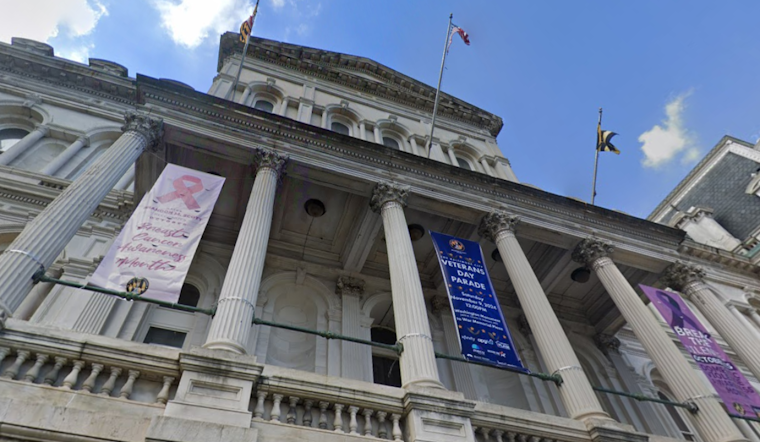
A Glen Arm property owner who turned overdue city bills into a backroom discount just admitted it in federal court.
James Carroll Erny Jr., 54, pleaded guilty Thursday to a federal bribery charge for paying a Baltimore City Hall employee to erase or stall debts tied to several of his properties. U.S. District Judge Richard D. Bennett accepted Erny’s plea and set sentencing for June 2026.
According to The Baltimore Banner, prosecutors say Erny admitted that the payoffs helped wipe out about $147,500 in outstanding city bills, with some cash allegedly changing hands in a bathroom at the Abel Wolman Municipal Building. The outlet reports Erny also agreed in his plea to pay nearly $450,000 in restitution, covering both the bribery scheme and separate allegations that he defrauded the Paycheck Protection Program.
How prosecutors say the scheme worked
A June 11, 2025, indictment from the U.S. Attorney’s Office laid out the alleged playbook. Prosecutors say that from roughly August 2021 through September 2023, Erny paid at least $10,000 to Joseph Gillespie, a former revenue collections worker in the city’s Department of Finance, who then marked obligations as paid in city systems.
The indictment says Gillespie typically took about 10 to 15 percent of what property owners owed in exchange for removing liens or pushing back tax sale deadlines, and that he sometimes sent bogus cashier slips after altering city records. According to the U.S. Attorney’s Office, District of Maryland, the broader scheme generated more than $250,000 in bribes to city employees and cost Baltimore more than $1.25 million in revenue.
Legal consequences and next steps
Erny pleaded guilty to a single federal bribery count that carries a statutory maximum of 10 years in prison. Judge Bennett will decide his sentence at the June 2026 hearing after reviewing the plea agreement, sentencing guidelines, and restitution recommendations.
Federal prosecutors brought the case after an earlier prosecution of Gillespie, who was sentenced to four years in prison for his central role in the operation. That earlier indictment and the government’s allegations were detailed by WMAR-2 News.
City fallout and oversight questions
Prosecutors say the pay-to-erase setup exposed serious weaknesses in Baltimore’s billing and tax sale processes and deprived the city of badly needed cash. According to the U.S. Attorney’s Office, investigators uncovered the pattern through undercover recordings and audits that tied payments to altered entries in city computer systems.
The federal office has urged anyone with additional information to contact the FBI as investigators continue to comb through records linked to the scheme. The agency noted the multi-agency probe has included assistance from the FBI and Baltimore County police.
When Erny returns to court in June 2026, the judge will decide whether he serves prison time and how much restitution and supervised release he will face. Whatever the number, the case lays out in stark detail how a single insider with access to city systems can quietly knock holes in a municipal budget.





