

























































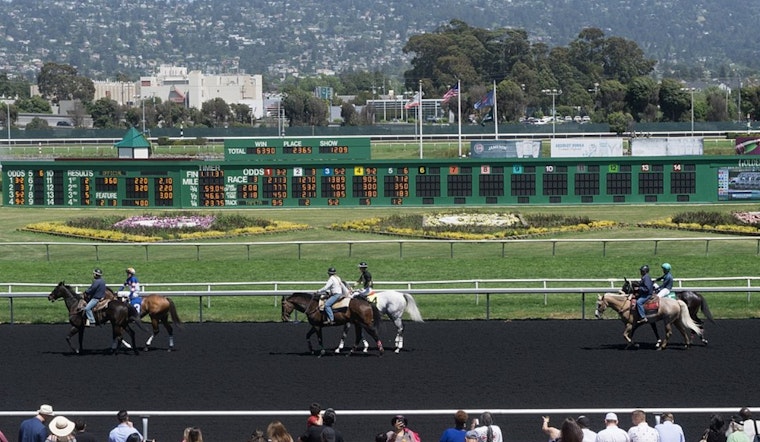
Golden Gate Fields, the long-quiet racetrack hovering over the Albany-Berkeley shoreline, may be headed for a radically different future: trading horses for hikers and railbirds for picnickers.
A national land conservation nonprofit has reached terms to acquire the shuttered track and wants to turn the 140-acre waterfront into a sprawling public park. The proposal would pull the former racetrack into the East Bay shoreline parks network and remake one of the most visible stretches of waterfront in the North Bay.
According to SFGATE, the Trust for Public Land has agreed to buy Golden Gate Fields for roughly $175 million, working in tandem with the East Bay Regional Park District under an option agreement. "Golden Gate Fields offers a truly generational opportunity to reimagine a world-class bayside park for the Bay Area," Trust for Public Land Pacific director Guillermo Rodriguez said.
What the plan would do
The basic vision is to stitch the former racetrack into a continuous band of public shoreline. If it all comes together, the new parkland would help connect Albany Beach, McLaughlin Eastshore State Park, Point Isabel Regional Shoreline, the Albany Bulb and Brooks Island Regional Preserve into a more seamless corridor.
In the East Bay Regional Park District’s North Basin Strip feasibility materials, the Golden Gate Fields property is framed as the missing piece that could tie together shoreline restoration projects, trails and habitat improvements. The East Bay Regional Park District outlines both the opportunities and the constraints for that stretch of the north Albany and Berkeley shoreline.
Timeline and hurdles
No one should expect to unroll a picnic blanket on the infield any time soon. Local reporting indicates the site is unlikely to be ready for regular public use for several years, with the full build-out potentially stretching into the 2030s as agencies work through environmental review, funding and shoreline resilience projects.
Per the reporting cited by SFGATE, planners are estimating roughly a five-year lead time before limited areas of the property could open to visitors. Major permitting questions, financing needs and long-term coastal protection measures still stand between the current empty grandstands and a future bayside park.
Local politics and tradeoffs
Complicating things, Golden Gate Fields sits in two cities that do not see the shoreline exactly the same way. Albany and Berkeley bring different zoning rules and expectations to the table, and Albany voters have previously signed off on limits to non-water-oriented development that push the site toward parks and recreation rather than intensive commercial projects.
The San Francisco Chronicle has detailed how local planning documents, past ballot measures and an ongoing tug-of-war between advocates of new housing and defenders of open space are likely to shape any reuse of the property.
Workers, wildlife and the wider debate
Golden Gate Fields shut down in 2024 after an 83-year run, closing a chapter in Bay Area racing history and leaving many backstretch workers and trainers in limbo. That human fallout, including the uncertainty for people whose lives revolved around the track, was chronicled as the facility wound down operations last year.
The human side of the closure sits alongside a very different narrative from conservation groups, which see the prospective park as a rare chance to expand public shoreline access and restore sensitive bay habitat on a massive, highly visible piece of land.



