

























































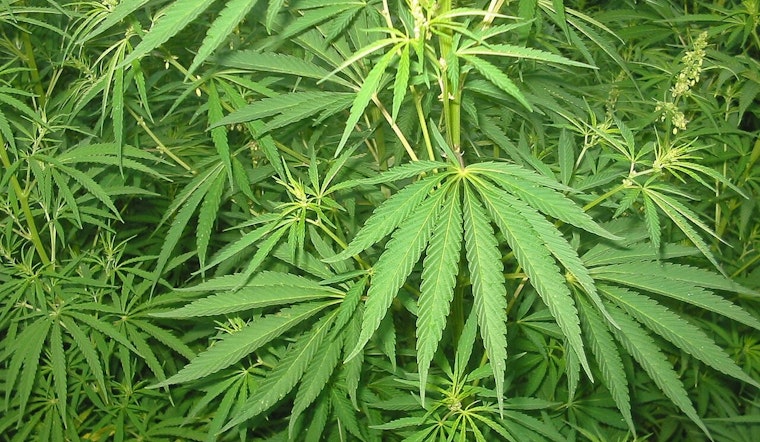
The gray wave has officially rolled into Massachusetts cannabis shops, and it is spending real money. Across the state, older shoppers have quietly turned into one of the most dependable customer groups, reaching for edibles, tinctures and higher-priced "wellness" products to handle pain, sleep problems and anxiety. Retailers say the shift is modest but constant, with regulars in their 50s, 60s and 70s now coming in for products that were once only available in the shadows. Clinicians, however, warn that the surge comes with real risks when people self-medicate without medical guidance or underestimate the strength of today’s products.
Numbers Tell The Story
State data show daily cannabis use among 56- to 65-year-olds jumped about 70% from 2019 to 2023, according to the Massachusetts Cannabis Control Commission. Over roughly the same period, the commission’s market figures show medical program revenues dropped by about 50% between 2021 and 2025, and patient enrollment is down around 20% from its peak five years ago. At the same time, industry analytics suggest older shoppers are not shy about opening their wallets. Data firm Headset found that baby boomers posted the highest average order value among cannabis buyers in 2023.
Dispensaries Are Seeing Seniors In The Aisles
Retailers say they can see the demographic shift without ever touching a spreadsheet. Some chains report that customers 65 and older now account for roughly twice the share of sales they did when stores first opened a few years ago. Smaller operations, from Newton to Nantucket, say older adults are increasingly the ones pushing edible sales. The brands have noticed. MariMed’s Betty's Eddies line reported that sales to seniors more than doubled between 2022 and 2025, and the company expects sales to older consumers to climb again this year, according to The Boston Globe.
Doctors Warn About Dosing, Potency And ER Visits
Health care data tell a less cheerful story. A national analysis of emergency department records found that visits tied to cannabinoid-containing products among adults 50 and older rose more than 300% between 2016 and 2023, according to a study in the Journal of General Internal Medicine. Clinicians say stronger products and aggressive dosing advice from retail workers are a big part of the problem. "Retail workers generally recommend doses that are way too high," Dr. Peter Grinspoon told The Boston Globe. Researchers also point out that average THC concentrations have climbed significantly since the 1990s, which increases risks for older adults who are often taking multiple medications, according to a review on NCBI/StatPearls.
How Doctors Say Patients Should Shop
Medical experts say older adults should loop their clinicians into the conversation before adding cannabis to the mix, use the "start low and go slow" approach, and treat edibles with particular caution because effects can take hours to fully hit. Only about 56% of monthly cannabis users over 50 say they have discussed their use with a health care provider, according to the University of Michigan National Poll on Healthy Aging. Massachusetts law limits a single serving of an edible to 5.5 mg of THC and requires packaging to warn about delayed impairment, but clinicians stress that these protections do not replace individualized medical advice, per state regulations at 935 CMR.
For now, the trend delivers dispensaries a welcome boost while giving doctors and regulators a new set of headaches. State health systems and the Cannabis Control Commission say they will keep tracking the numbers as the customer base ages, trying to strike a balance between access and safety for the state’s fastest-growing group of cannabis consumers.



