

























































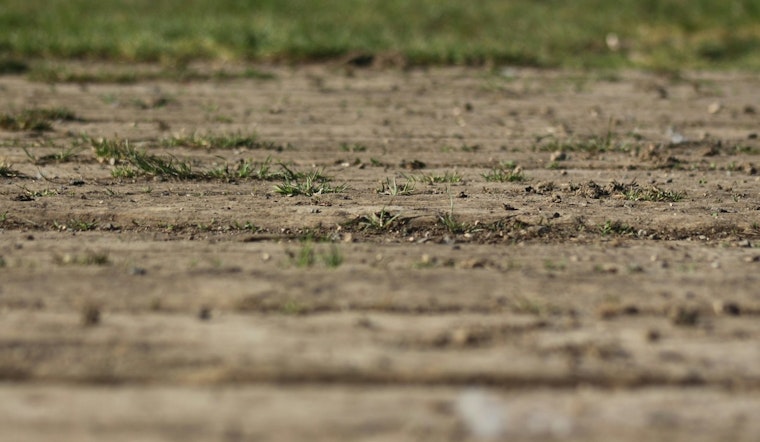
Grass has vanished almost overnight from ballfields and stretches of turf at several Chicago parks, as a fresh wave of turf-eating grubs chewed through the North Side this week. Where Little League games were supposed to be played, there is now bare soil. Parents, coaches and nearby residents say the damage looks unnervingly similar to the grub outbreak that hit some North Side parks a few years ago. Crews and league organizers are scrambling to coordinate inspections, notifications and short-term field relocations while officials figure out just how far this round has spread.
The Chicago Park District confirmed to WTTW News on Friday that infestations have been identified at Welles Park and Winnemac Park in the Lincoln Square community area, as well as at Humboldt Park and Williams Park. Park staff say there are relatively few visible larvae this time, but large swaths of dead turf where the grass has already given up. The district told the outlet it plans to chemically treat the affected areas later in the spring, reseed the fields and keep them closed to the public until new grass has established solid root growth.
Familiar Scars From 2021
Welles and Winnemac were hammered by a similar outbreak in 2021, when June beetle larvae stripped acres of turf and brought youth sports to a halt. FOX 32 Chicago and other outlets documented the mass of surfaced grubs and the foul smell that came with them, and the Park District followed up with treatments and reseeding in an effort to get the fields playable again.
Leagues, Parks and the Grass They Need
The Park District says it is working to secure alternate locations for youth baseball, Chicago Public Schools high-school sports and special events while the damaged fields are off-limits. Parents' associations say they expect to cobble together schedules across other parks until the turf comes back. As Block Club Chicago reported during the earlier round of recovery, dormant seeding and strict requests to stay off the healing grass were critical for giving new turf a chance to take root.
Why It Happened and Whether It Will Happen Again
Entomologists point to weather patterns and natural population swings as likely culprits. A mild winter, a wet early summer and then a stretch of drought can all help more beetles survive and push their larvae closer to the surface. Illinois state entomologist Christopher Deitrich described that combination as a "perfect storm" in 2021, and the Park District says it is looking at longer-term strategies that might help limit repeat infestations. WTTW News has more on what experts are watching.
For now, crews are expected to begin treatments and reseeding in the weeks ahead, and leagues should brace for schedule changes while the fields recover. Players and parents are urged to check with their teams or the Park District for the latest updates on field availability and alternate sites.





