

























































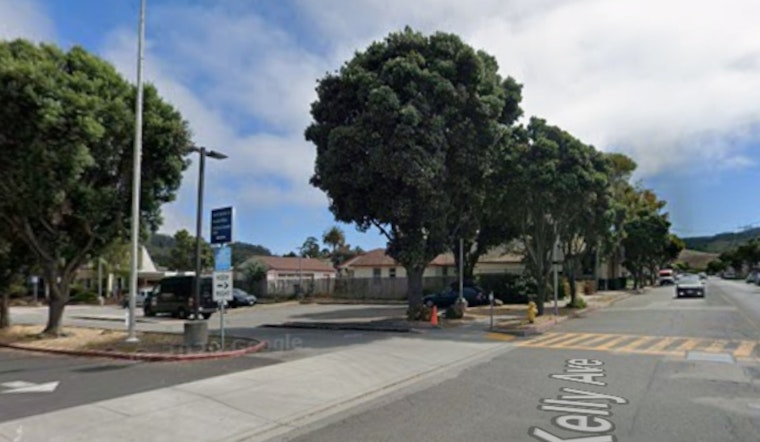
Half Moon Bay is giving the long-discussed 555 Kelly Avenue project a little more breathing room, extending Mercy Housing’s exclusive negotiating agreement so the nonprofit can keep chasing money and polishing legal documents. The 40-unit building, planned as affordable homes and a resource hub for senior farmworkers, is still hung up on lease terms, the operating budget and final financing. Supporters urged the City Council to move faster, while some neighbors argued the downtown site feels too packed for a five-story building.
Council Extends Negotiating Window
As reported by the San Mateo Daily Journal, the council vote keeps Mercy Housing’s exclusive negotiating agreement in place through Dec. 31. The extension lets the developer hold on to existing funding allocations and keep applying for county and state tax credits. According to the paper, the proposal calls for 40 apartments in total, including three studios, 34 one-bedrooms, three two-bedrooms, a manager’s unit and a community resource space. The price tag is estimated at about $43 million, with roughly $21 million already secured.
Permits and Draft Agreements
The city’s project page says the Planning Commission has already signed off on the Coastal Development Permit and other entitlements, and notes that draft versions of a ground lease and an Affordable Housing Property Disposition Agreement are posted while talks continue, according to the City of Half Moon Bay. The state’s CEQA database lists a Notice of Exemption for the infill project and includes supporting studies and details on the size of the Farmworker Resource Center, per CEQA.
Advocates Press, Neighbors Push Back
Farmworker advocates and local nonprofits say the downtown site and on-site resource center would be a lifeline for aging agricultural workers who often end up in crowded or substandard housing, a point they have repeated in public meetings and outreach. The nonprofit ALAS has taken the lead on community engagement and programming for the proposal, and supporters say the center is expected to host services like legal aid, case management and classes that help residents access benefits and health care, as described by KQED and community notices from the project team.
Funding And Timeline
The development team has lined up some public commitments but still has a funding hole to close, according to officials and advocates. Mercy Housing notes that it has received Planning Commission approvals and is continuing to work through entitlements with ALAS, while state Sen. Josh Becker has earmarked $2 million toward planning and producing the project, according to a press release from the senator’s office.
What’s Next
City staff told the council that a ground lease will only come back for formal approval once Mercy Housing is ready to build and every funding source is nailed down, an approach that led councilmembers to push for a more detailed operating budget before giving a final yes. “To pay those bills, we need to see both sides of the operating budget,” Mayor Debbie Ruddock said, in comments reported by the San Mateo Daily Journal.
The 555 Kelly proposal landed at City Hall before the Jan. 23, 2023 mass shooting at two local mushroom farms that killed seven people and put a harsh spotlight on farmworker living conditions. Since then, state and regional leaders have repeatedly pointed to the project while urging the city to move, including a public rebuke from Gov. Gavin Newsom over earlier delays, as reported by the San Francisco Chronicle. That scrutiny has helped unlock several funding streams for coastside farmworker housing, even as negotiations continue over how long the city lease should run and how to cover long-term operations.
For now, the ENA extension buys Mercy Housing and the city more time to lock down lease language, pursue tax credits and firm up operating money. The City Council plans to revisit the ground lease and AHPDA once the developer can show construction readiness and a complete financing package, leaving residents to watch whether years of promises finally turn into stable homes for aging farmworkers.





