

























































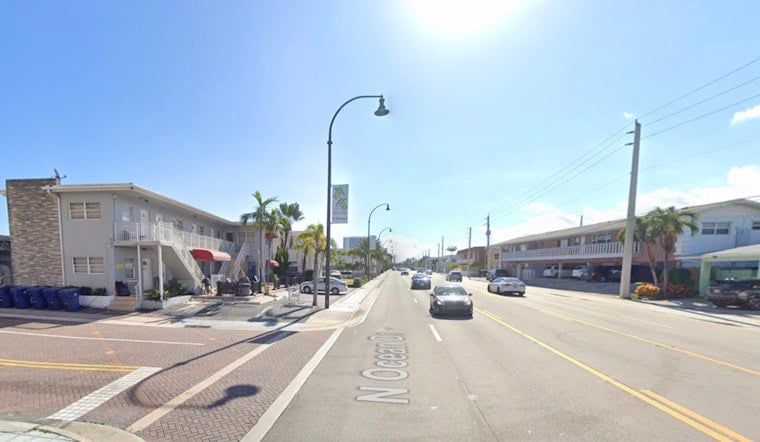
A Broward County judge handed the City of Hollywood a win on Friday, shutting down a New York developer’s attempt to force approval of a beachfront tower under Florida’s Live Local Act. The ruling keeps the city’s denial of the project in place for now, although the developer’s attorney says they will ask the court for a do-over.
Judge Backs Hollywood, But Round Two Is Coming
The judge’s order agreed with the city’s take on how the Live Local law should be read, according to the Tampa Bay Times. A lawyer for the developer told the outlet they plan to seek a rehearing, insisting the court got the statute wrong.
Beachfront Tower Plan at Center of the Fight
The case turns on Condra Property Group’s plan for a 17-story, 183-foot mixed-use tower at 2115 N. Ocean Drive, which would have included roughly 282 units, with about 40 percent set aside as workforce housing, according to The Real Deal. The developer says the project would replace aging motels on the barrier island and would lock in workforce units pegged to Broward County’s area median income.
The Height Fight That Tilted the Case
Lawyers spent much of their time arguing over whether the nearby Margaritaville Hollywood Beach Resort could be used as the height benchmark that Live Local allows within a one-mile radius. City attorneys told the court that Margaritaville sits in a Government Use district and won approval through a discretionary commission process, so it cannot count as an "as-of-right" building. Condra’s team countered that the resort’s height is currently permitted and therefore sets the standard, reporting from the South Florida Sun Sentinel shows. That technical tangle over bonuses, variances and special exceptions is what the judge ultimately found decisive.
How the Live Local Act Is Supposed to Work
The Live Local Act (SB 102) offers land-use and tax incentives to projects that reserve a large share of units as workforce housing, and it lets qualifying developments claim certain height, density and procedural waivers, including the option to match the tallest permitted building within one mile, while excluding buildings that were allowed only by variance or special exception, per the bill text on the Florida Senate. The framework is meant to fast-track affordable and workforce housing, but it has also raised thorny questions about how far state rules can push past local zoning limits in coastal communities.
What Comes Next in the Courtroom
The developer’s team told the Tampa Bay Times it will ask Judge Haimes to rehear the case, keeping the project’s fate very much in limbo as the litigation grinds on. The ruling arrives as Live Local faces broader legal pushback: Hillsborough County has already sued the state over the law, underscoring how contested the statute has become across Florida, according to Axios Tampa Bay.
Why This Case Matters Beyond Hollywood Beach
If the developer keeps pressing after any rehearing, the dispute could end up before an appellate court. A ruling in Condra’s favor could loosen local control over building heights and clear the way for similar Live Local projects along Florida’s coastline. Early lawsuits and industry filings suggest other developers are tracking the case closely; the outcome could influence whether cities hold onto low-rise beach skylines or must allow taller workforce housing towers, as earlier reporting by the South Florida Business Journal noted.
For now, Hollywood’s height caps stay put while the case winds through the courts. Residents, planners and developers will be watching to see whether the city’s win sticks or becomes just the opening skirmish in a statewide tug-of-war over development and affordability on the beach.





