

























































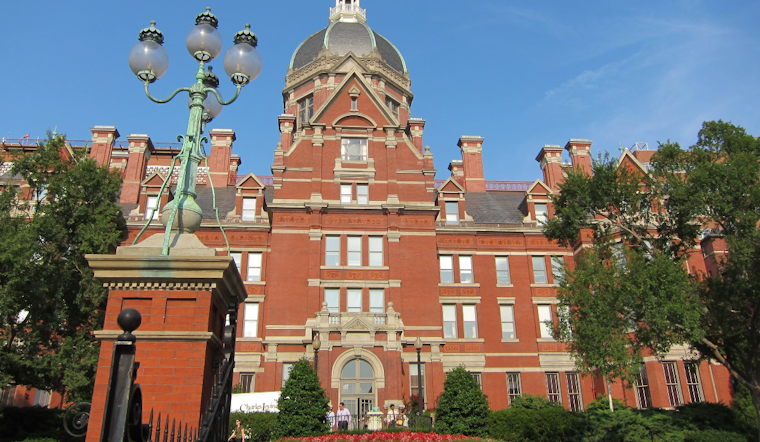
A fresh watchdog tally and federal research data put a spotlight on just how central Johns Hopkins is to the stream of taxpayer research dollars, and why Baltimore could feel real pain if those flows tighten. The latest report crowning Hopkins as the top college recipient of federal money lands after a year of grant uncertainty and program cutbacks on campus. For a city that leans heavily on Hopkins for jobs, clinical trials, and startup spinouts, this is not abstract budget chatter; it is the money behind paychecks and local contracts.
OpenTheBooks' finding aired on local TV
Today, the Fox45 morning show highlighted an OpenTheBooks analysis that says Johns Hopkins received more federal funding than any other college in America last year, and investigative journalist Jeremy Portnoy joined the broadcast to walk viewers through the watchdog group’s tally. The segment framed the figure as part of a broader push to scrutinize how federal grants and contracts are distributed across universities and research institutions. As reported by Fox Baltimore, the OpenTheBooks finding is already drawing attention both locally and nationally.
How federal R&D totals put Hopkins at the top
The National Science Foundation’s Higher Education Research and Development (HERD) survey, the government’s official accounting of campus research spending, places Johns Hopkins among the country’s largest R&D performers, driven in part by federally funded projects and the Applied Physics Laboratory. A recent breakdown of the HERD numbers also ranks Hopkins at the top of R&D spenders, underscoring that a large share of its research budget comes from federal sources. That picture is reflected in data and reporting from the National Science Foundation and in a summary analysis by Forbes.
Local stakes: jobs, trials and contractors
Johns Hopkins’ own account of the situation lays out the local stakes in blunt terms. The university reports a sharp contraction in new federal awards in 2025, about a 43% drop in new and competitive research funding compared with 2024, and says the multiyear federal research portfolio fell by more than $500 million, prompting temporary budget moves. Those shifts have already translated into reduced programs and headcount changes. Hoodline previously reported that Hopkins and its affiliates were moving to cut or wind down more than 2,200 jobs after USAID and other grant work were scaled back. See Johns Hopkins’ update and the earlier Hoodline coverage for specifics.
What to watch next
Because federal sponsors bankroll labs, clinical trials, and defense work, any sustained pullback would ripple through Baltimore’s hospitals, contractor networks, and the local startups that commercialize Hopkins discoveries. Watch for new releases from OpenTheBooks, any agency stop-work notices, or fresh HERD survey updates and federal audit activity, since each could reshape the funding picture and the city’s economic outlook. Trend data from the National Science Foundation remains the clearest yardstick for how concentrated federal R&D spending is among a relatively small group of research universities.




