

























































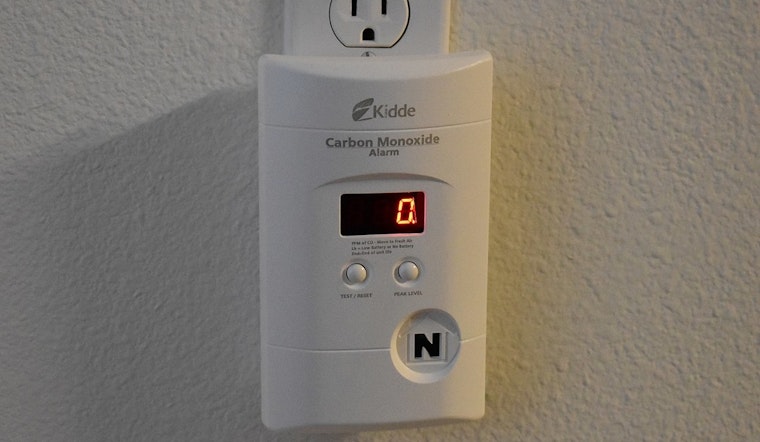
As Indianapolis families gear up for spring break road trips and fly-outs, safety experts are nudging travelers to toss one extra item into the suitcase: a small, portable carbon monoxide alarm. Carbon monoxide is colorless and odorless, and early symptoms like headache, dizziness, or nausea are easy to shrug off when you are tired from travel. A compact detector, they say, is a relatively cheap way to add a serious layer of protection in hotels and rentals.
Recent lab testing of several travel-size CO detectors found that some models can pick up dangerous leaks quickly and report levels accurately, according to Consumer Reports. In sealed-chamber tests, technicians exposed each device to certified carbon monoxide concentrations and timed how fast alarms triggered while checking how closely the displays matched the real levels. Among the standouts, Consumer Reports highlighted portable-ready models from Lunarlipes and Kidde.
Kris Hauschildt, whose parents died after a hotel carbon monoxide leak, told WISH-TV that the simple advice to “travel with your own carbon monoxide alarm” can be lifesaving for families on the road. The Jenkins Foundation and other advocates have tracked cases where a single faulty pool heater or boiler caused repeated poisonings at the same property, sometimes weeks apart (Jenkins Foundation). Those incidents are a blunt reminder that travelers cannot assume every room has working detection.
How to protect yourself on vacation
Safety guidance is straightforward: pack a battery-powered or plug-in detector and put it near the bed as soon as you arrive, so it can wake you if levels rise while you sleep. If it sounds, everyone should get outside to fresh air immediately and call 911, advice emphasized in coverage of the Consumer Reports testing by WESH. Travelers are also urged to notify the front desk, request a different room, and, if anyone feels ill, seek medical care and document what happened with the alarm.
State rules and what hotels must do
Hotel and short-term rental requirements for carbon monoxide alarms are all over the map, with only a minority of states currently mandating them, according to Consumer Reports. The organization also notes a proposed federal Safe Stay Act that would require CO detection in short-term rental rooms if it becomes law. Until that happens, experts say travelers should assume protection is not guaranteed and treat a portable alarm as standard gear, right alongside toiletries and phone chargers.
For Indianapolis spring break travelers, that means a pocket-size detector and a quick scan of the room at check-in are simple, practical steps. The smallest thing in your bag might be one of the smartest, and cheapest, items you pack this year.





