

























































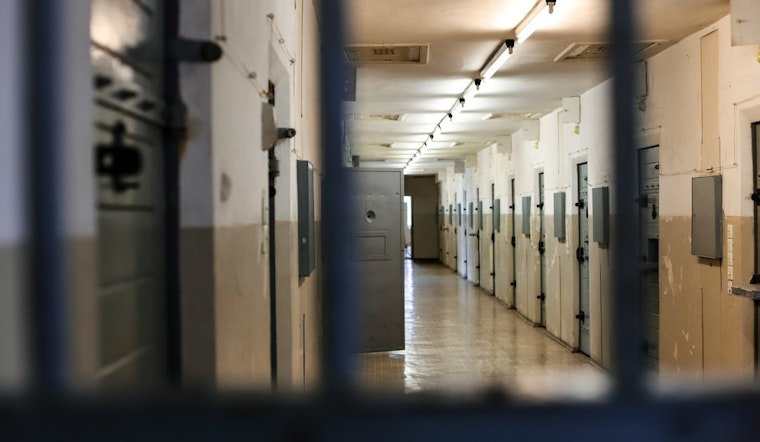
Advocates and lawmakers packed into the Rainbow PUSH Coalition’s Chicago offices on Monday with a pointed goal: to sell Illinois on the Reintegration and Civic Empowerment Act, better known as the RACE Act, a proposal that would restore voting rights to people serving felony sentences in state prisons. Supporters say the change, slated to take effect in 2028 if approved, could open the ballot box to tens of thousands of Illinois residents, a number they estimate at roughly 35,000 to 50,000 people.
What the bill would change
House Bill 5414, introduced on Feb. 13, 2026, by Rep. Justin Slaughter, would rewrite the state’s Election Code so that people convicted of a felony, or otherwise under sentence in a correctional institution, regain their eligibility to vote no later than 14 days after conviction. The bill sets an implementation date of Jan. 1, 2028, and spells out that people already serving sentences at that time must have their voting rights restored by Jan. 14, 2028.
The proposal also spells out how government would be expected to make that promise real. Local election authorities would be required to coordinate with correctional institutions to provide voter-registration materials and vote-by-mail access, and the measure expands civics programming offered inside prisons, according to the bill text from the Illinois General Assembly.
Voices at Rainbow PUSH
At Monday’s event, speakers put the focus on what it feels like to lose the ballot. Yoel Davis, director of curriculum and training at the Illinois Alliance for Reentry and Justice, said felony disenfranchisement had "stripped away my 15th Amendment right to vote." Marlon Chamberlain, founder of the Illinois Coalition to End Permanent Punishments, argued that "a democracy cannot function by excluding the very people most impacted by its decisions."
Organizers linked expanded civic education with ballot access, describing both as key pieces of a broader strategy to support people returning home from prison, a case they laid out in coverage by FOX 32 Chicago.
How voting would happen
Under HB 5414, local election officials would be required to work with correctional institutions so that eligible voters in custody can receive and return mail ballots. Facilities would need to make voter registration forms and election information available in accessible formats.
Supporters say pairing that access with peer-led civics instruction is crucial, arguing that people in prison and those preparing to reenter their communities should be able to study the issues that affect them and hold officials accountable at the ballot box. Chicago Votes notes that if the bill passes, Illinois would join a relatively small group of U.S. jurisdictions that already allow people in prison to vote: Maine, Vermont, Washington, D.C., and Puerto Rico.
Legal and reporting requirements
The bill is not just about access, it is also about tracking what happens next. HB 5414 directs the State Board of Elections to prepare annual reports on registrations, vote-by-mail applications and ballots received from correctional institutions, broken out by facility. It also authorizes the Attorney General and other "aggrieved" parties to go to court to seek remedies for violations.
Backers say those oversight and enforcement tools are designed to monitor how the law is carried out and to protect voting access if the measure becomes law. The bill text lays out the timelines, reporting rules and legal pathways state officials would use to check compliance, according to the Illinois General Assembly.
Where it goes next
Supporters say they are pressing legislative leaders and Gov. J.B. Pritzker to move the measure before the General Assembly wraps up its spring session, and they have planned an April 16 day of advocacy at the Illinois State Capitol. The bill, filed in February, remained active in March as organizers kept up outreach and lobbying efforts, advocates told reporters at the Rainbow PUSH event. Those developments were reported by Chicago Votes.
The wider debate
Opponents have previously raised constitutional and public safety objections to allowing people behind bars to vote, and some lawmakers have questioned whether such a change would survive in court, as reporting by the Chicago Sun-Times has noted. Advocates counter that restoring voting rights strengthens democratic oversight of the laws and budgets that shape prisons and neighborhoods, and they say they plan to keep pushing the issue in Springfield this spring.





