

























































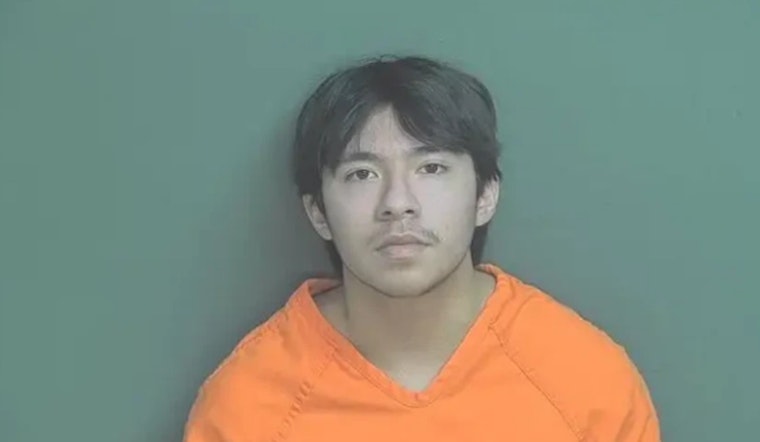
An 18-year-old Lebanon High School student is facing a stack of felony charges after investigators say he used artificial intelligence to generate sexually explicit images of female classmates and then shared them online. Authorities allege that a search of his devices uncovered additional illicit material, and prosecutors have now filed multiple felony counts. The student, Joel Salinas, is out on bond and has a trial scheduled for June 2.
Investigation and charges
The case began when an anonymous tipster reported that someone was circulating sensitive photos and personal information about female students, according to WKRC. The tip flagged links to online communities, screenshots, and messages that allegedly tied the activity to Salinas.
Investigators say social media accounts linked to Salinas were sharing child sexual abuse material along with Instagram profiles of minors, and that Salinas later admitted most of the explicit images were created using AI. The same tip reportedly included messages in which he allegedly discussed plans to rape one of the people depicted and claimed he had taken nude images from another student’s phone.
Booking and local process
Salinas was arrested on Feb. 22 and booked into the Boone County Jail, according to the sheriff’s office. The county’s corrections pages provide an inmate lookup and other public information tools for people tracking court and custody developments, the Boone County Sheriff's Office notes.
Prosecutors have charged Salinas with conspiracy to commit rape, child exploitation, possession of child sex‑abuse material and distribution of an intimate image. All of those counts remain allegations in a pending criminal case.
Legal context and national trend
Experts and child-safety advocates say AI tools have lowered the barrier for producing convincing but fake explicit images, giving harassers a powerful new weapon against students. The National Center for Missing & Exploited Children has reported a sharp rise in CyberTipline reports that involve generative AI, NCMEC notes.
Those numbers are helping drive new federal and state responses. Legal analyses of the “Take It Down” law describe notice-and-removal requirements for platforms and added penalties for posting nonconsensual intimate images, shaping how investigators and schools coordinate both emergency takedowns and evidence preservation, according to Skadden.
Why this matters for students
Reporting from the Associated Press and other outlets shows that incidents like this can ricochet through a student body in hours, leaving schools scrambling to protect victims while working with police, according to the AP. The speed and anonymity of online sharing can intensify the harm for victims and make it harder for schools to manage discipline, counseling and long-term support.
Anyone affected by nonconsensual intimate imagery or concerned about possible exploitation can contact local law enforcement or file a report with the National Center for Missing & Exploited Children’s CyberTipline. The NCMEC also provides guidance and resources for families, schools and investigators.





