

























































Lodi's first paramedic fire engine is not easing into its new role. In just its first six months on the streets, Engine 2031 has rolled on 128 advanced life support calls across the city and is already being credited with helping save dozens of lives, from cardiac arrests to major strokes.
Since Engine 2031 went into service as the Lodi Fire Department's first Advanced Life Support engine on Sept. 15, 2025, crews say they have answered 36 cardiac arrests and 14 strokes, with multiple patients walking away from calls that might have ended very differently a year ago. The department says two more firefighter-paramedics are expected to be accredited by summer as it works toward putting a second ALS engine in service.
"We've already responded to 36 cardiac arrests, where 15 of those we had very positive outcomes," Lodi Fire Chief Ken Johnson told CBS Sacramento. Paramedic Engineer Dylan Cahue, assigned to Engine 2031, described incidents where crews initiated advanced procedures at the curb and then stayed with patients all the way to the hospital, keeping one continuous medical team in charge of care instead of handing off midstream. CBS reported that these numbers were logged in the first six months of the ALS rollout and that fire crews were often the first medically trained responders to reach the scene.
Engine 2031's First Six Months
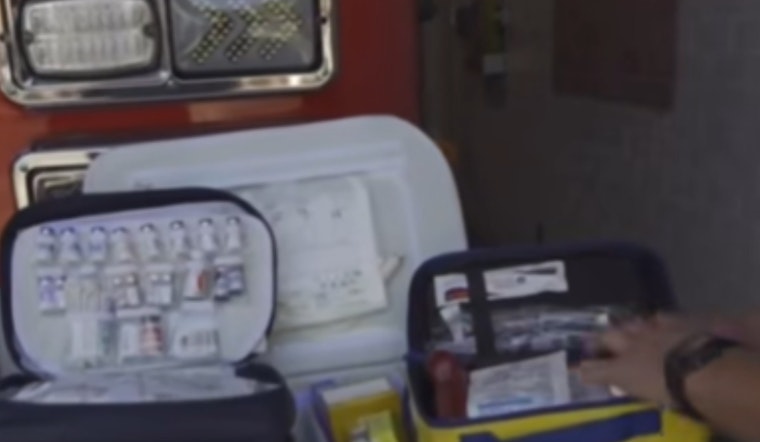
Engine 2031 officially began providing ALS service on Sept. 15, 2025, according to the City of Lodi's apparatus page, which lists it as the department's first paramedic engine. City and department documents say the rig was outfitted with cardiac monitors and gear for advanced airway management, IV medications and other paramedic-level interventions, turning what had been a standard fire engine into a rolling emergency room.
Officials have described this first ALS engine as phase one of a larger buildout that aims to staff multiple paramedic engines and chop precious minutes off response times across Lodi. The early concept is simple enough: if a fire engine is already the first vehicle to arrive at the scene, giving that crew ALS tools and training means critical care begins sooner.
What The Numbers Show
In a Facebook post, the Lodi Fire Department reported that Engine 2031 had responded to 128 advanced life support calls since launch, including 14 stroke responses. The department said that crews "provided critical, life-saving care" at a number of those incidents.
The same update noted that Lodi currently has eight accredited paramedics on staff and expects two more firefighters to complete accreditation by summer, which would bring the total to 10. With that bump in staffing, the department said it plans to stand up a second ALS engine company as soon as it can be supported.
Why ALS Matters Locally
Regional ambulance shortages and busy transport systems have been slowing down access to advanced care in San Joaquin County for years, a long-running headache that helped push Lodi toward ALS fire engines in the first place. KCRA's initial coverage of the Sept. 15 rollout highlighted the department's goal of eventually fielding 15 firefighter-paramedics and adding more ALS-equipped engines, while industry outlets pointed to the program's early technical successes.
Last fall, chronicled Lodi's ALS launch as part of a broader, multi-year investment in gear and training meant to keep advanced care closer to home for residents. Officials say they will track medical outcomes as the ALS program grows and adjust staffing to make paramedic-level service available around the clock out of more stations.
Chief Johnson told CBS Sacramento that having a paramedic show up within minutes can be "critical" to survival when a patient is in cardiac arrest or experiencing a major stroke. The department's recent Facebook update and the city's apparatus information outline the next steps on staffing and equipment, as Lodi tries to turn one hard-charging rookie ALS rig into a full bench of paramedic engines.


