

























































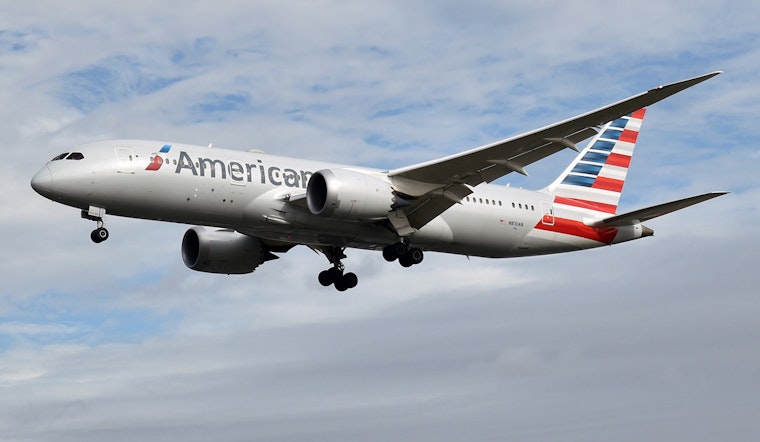
Travelers on an American Airlines flight at Boston Logan were told to get off the plane Tuesday after the crew reported an issue in the aircraft's cargo hold, according to Massport. The jet stayed parked at the gate while passengers disembarked under the supervision of airport crews. Officials said there were no injuries and that information about the incident remains limited.
Massport Confirms Plane Stayed At Gate
Local station WHDH reported that Massport confirmed the aircraft was still at the gate and that passengers were in the process of deboarding. The outlet noted that investigators were on scene and that details surrounding the cargo hold alert were scarce.
Why Cargo-Hold Alerts Get Immediate Attention
The Federal Aviation Administration warns that items such as lithium batteries, improperly packaged hazardous materials or overheating electronic devices can trigger smoke or fire warnings in a plane's cargo compartments and prompt urgent inspections. FAA guidance advises that many battery-powered items should travel in carry-on baggage so flight crews can spot and address problems more quickly.
How Logan Crews Typically Handle Incidents
Massport's materials say the authority coordinates with Massport Fire Rescue and the Massachusetts State Police when there is an aircraft incident, and that airport and airline maintenance teams conduct inspections before a plane is cleared to return to service. Massport outlines those standard on-ground procedures and the interagency roles for safety checks.
What Passengers Should Keep In Mind
If you were on the affected flight, follow directions from airline staff and check your reservation for rebooking or delay updates. Airlines typically rebook customers after technical issues and can provide status information at ticket counters or through their apps. The FAA recommends keeping spare batteries and power banks in carry-on luggage and notifying airlines in advance about medical devices that contain batteries to help reduce the risk of cargo-hold incidents. For specifics, see the FAA guidance.





_@_LHR,_Oct_2019.jpg)