

























































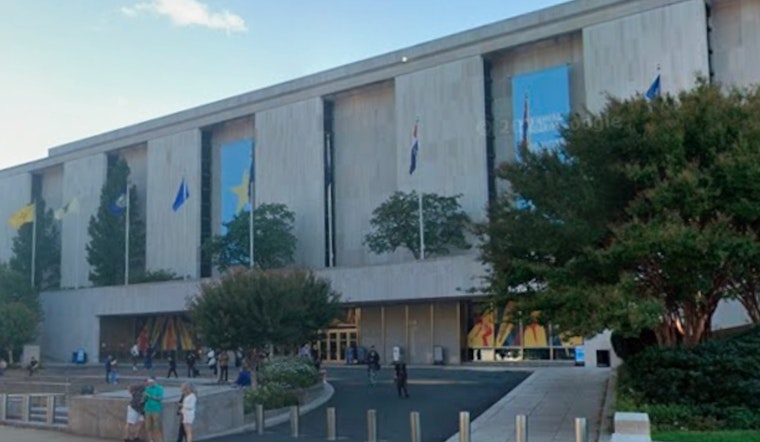
A routine siting bill for the long-awaited Smithsonian American Women’s History Museum has turned into a full-on culture clash on Capitol Hill. A House committee advanced the measure this week, but only after tacking on an amendment that critics say would effectively exclude transgender women from the museum’s exhibits, injecting sharp partisanship into what had largely been a bipartisan effort.
Committee Adds 'Biological Women' Language
The House Administration Committee moved forward with Rep. Nicole Malliotakis’ siting bill after adopting language that says the museum “shall be dedicated to preserving, researching, and presenting the history, achievements, and lived experiences of biological women.” Opponents argue that phrasing would bar exhibits about transgender women and narrow the museum’s mission before the building even exists.
The panel’s seven Republicans backed the change and the four Democrats opposed it, a party-line split that sent the amended text to the full House. As reported by Spectrum News, the amendment also includes provisions that critics say could give the White House an outsized voice in choosing where on or near the Mall the museum would ultimately sit.
What Congress Already Approved, And Why It Matters
Congress already signed off on creating a Smithsonian American Women’s History Museum in the 2020 appropriations package. The institution exists on paper and in programming, but it still does not have a permanent building or the specific congressional green light needed to place it on the National Mall.
The current siting legislation, H.R. 1329, first introduced in February 2025, would authorize the Smithsonian to locate the museum within the Reserve of the National Mall and outline notification and transfer steps for federal agencies, according to Congress.gov. While the real estate fight plays out, the Smithsonian’s American Women’s History Museum has continued to operate online and host virtual exhibitions, per the museum’s official site.
Political Pushback Grows
The backlash to the committee’s change was immediate. Democratic lawmakers and advocacy groups blasted the new language as needlessly divisive.
The Democratic Women’s Caucus labeled the amendment “partisan, hateful, and dangerous,” and Rep. Debbie Dingell managed a split-screen response, praising Malliotakis’ push to move the museum forward while faulting broader GOP leadership for the latest snag, Spectrum News reported.
Rep. Sydney Kamlager-Dove warned that narrowing the museum’s mission in statute could undercut efforts to tell the full and complicated story of women’s history. She said she had not yet decided how she would vote on the measure, underscoring the political tightrope some members now face.
White House Role And The Road Ahead
The White House has already shown clear interest in the project. President Trump praised Malliotakis and the idea of a “big, beautiful” museum at a Women’s History Month event, according to the official White House transcript. That high-profile attention, paired with the committee’s new wording, has sharpened questions about how the site will be chosen and who ultimately calls the shots on placing the museum in the Reserve.
Congressional research and the bill text indicate that the siting process would require consultations and written notifications to multiple federal agencies and congressional committees, a procedural gauntlet that could stretch out negotiations and give various players leverage as details are hammered out.
On paper, support for a brick-and-mortar museum remains broad. In practice, the amendment has turned what was once a technical siting measure into a flashpoint in the wider culture-war debate. The full House will now decide whether to keep the new language, and whether the same bipartisan coalition that helped create the museum in 2020 can survive this latest round of political heat is very much an open question.


