

























































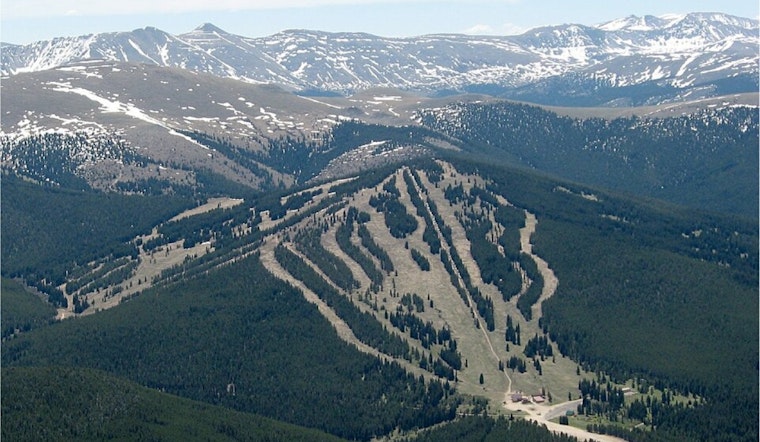
Spring turns at Ski Cooper are getting cut off early this year, and not by choice. The small community-run ski area north of Leadville will call it a season on Sunday after roughly 100 days of operation, as a late March heat wave chews away what is left of the snow. Cooper usually limps into April, so the sudden stop has locals and businesses scrambling to reset closing-day plans and sort out refunds.
The ski area announced the decision on Friday, blaming fast-shrinking coverage and a base that was literally showing more dirt by the hour. As reported by the Denver Gazette, the hill will shut down Sunday after barely notching about 100 days this winter.
“Once we start showing more dirt, (the snow) goes quickly,” Ski Cooper vice president of mountain maintenance Tim Kerrigan told reporters. He said crews “barely did any grooming” this season and only had to plough the parking lot “four or five times.” Tennessee Creek Basin never opened at all as management tried, and largely failed, to piece together enough natural cover. Those on-the-ground details were laid out in local reporting, with the Denver Gazette providing the original account.
Sunlight And Other Small Hills Call Time Early
Ski Cooper is not alone in pulling the plug. Sunlight Mountain Resort in Glenwood Springs has already posted its own closing-day notice online, warning guests that only one lift and one run would be available for the final stretch and listing March 22 as the official last day of the season. The resort site features a mountain-status banner and contact information for ticket questions and refunds, a clear nod to the same warm, low-snow pattern hitting the region. The full update is posted by Sunlight Mountain Resort.
Numbers And Industry Context
The early shutdowns fit into a wider Colorado story this winter. Federal snow telemetry sites have been showing broad deficits across the state, and drought monitors report that nearly one-third of Colorado SNOTEL stations are at their lowest or second-lowest snowpack levels on record. For the hard numbers, see the snow and drought data from Drought.gov.
The economists have tracked the weather. Vail Resorts’ chief executive described what the company called “the most challenging winter across the Rockies,” as snowfall and terrain availability lagged well behind recent seasons. That assessment and the investor fallout were detailed in coverage of the company update by Benzinga.
Why Smaller Hills Are Most Exposed
Community-run mountains like Ski Cooper have far less snowmaking and backup infrastructure than big destination resorts, which leaves them especially vulnerable when a warm spell chews through natural snow. Lake County’s own Ski Cooper master development plan notes that the mountain has operated “without man-made snowmaking thus far” and treats a limited snowmaking system as a possible future upgrade, not an existing asset. The document is available through Lake County, and it underscores how capital needs and permitting hurdles help determine how long a small hill can hang on in a thin year.
For towns that rely on weekend lift traffic and spring break crowds, an early closing squeezes an already short season into even fewer days and forces hotels, bars, and shops to pivot quickly into shoulder-season mode. Mountain managers say they stretched operations as long as they safely could, but with forecasts staying warm and dry, more early closings around Colorado are still on the table.





